Last updated November 18, 2026






Free written scope consultation - allowances, timeline, and change-order rules on paper before a single trade is scheduled
Seasonal Construction Care for El Monte: Year-Round Homeowner’s Guide
October is the most consequential month on an El Monte homeowner’s calendar, and nearly everyone treats it like a quiet stretch between summer and the holidays. Santa Ana winds arrive with dry brush conditions behind them, the first real rain is usually weeks out, and the seal you skip on exterior surfaces in early fall is the one you’ll wish you’d done by January. Meanwhile the tasks that actually matter in February get put off until the heat makes them cost more. This guide breaks the El Monte year into four construction maintenance windows, explains what each one does to building materials here, and shows you how to build a calendar for your own property instead of following generic national advice.
Quick Answer
Seasonal construction care in El Monte runs on four maintenance windows rather than four equal seasons: a pre-Santa Ana window in September and October for sealing, flashing and driveway work; a winter rain window from November through January for drainage, paver joints and stucco cracks; a spring dry-out from February through April for assessing winter damage before summer pricing climbs; and a summer heat window from May through August for watching roofing, asphalt and paint bond under sustained 95°F-plus temperatures. The order matters more than the calendar date.
Styles & brands we work with
- Kitchen remodeling
- Bathroom remodeling
- Home additions & ADU
- Roofing
- Windows & doors
- Driveway & pavers
- Fence
Table of Contents
- Pre-Santa Ana Season (September-October): The Window Most Homeowners Miss
- Winter Rain Preparation (November-January): Drainage, Paver Joints and Stucco
- Spring Dry-Out (February-April): Assessing Winter Damage Before It Gets Expensive
- Summer Heat Management (May-August): Roofing, Asphalt and Paint Bond
- Driveway and Hardscape Care Across All Four Windows
- How to Build a Property-Specific Calendar for Your El Monte Home
- Common Mistakes to Avoid
- When to Call a Professional
Pre-Santa Ana Season (September-October): The Window Most Homeowners Miss
The first window is September through October, and it’s the one that determines how well a house performs for the rest of the year. Santa Ana winds push dry, warm air through the San Gabriel Valley, and wind-driven debris finds every loose flashing edge, every hairline caulk gap, every open paver joint. Then the rain comes. The two events land close enough together that a repair made in early October protects the building through both.
What we’ve seen in El Monte is that homeowners tend to close up exterior work when the summer heat breaks, thinking the hard part is over. The opposite is true. This is the last comfortable stretch for exterior sealants, sealers and flashing work before the wet season starts, and doing it now means the material has time to cure properly.
The September-October checklist
- Walk the roof flashing at every penetration, valley, chimney and skylight. Look for lifted edges, rusted nails and separation between the flashing and the shingle layer. Loose flashing that survives October won’t survive January.
- Inspect exterior caulk around windows, doors and trim joints. Any caulk that pulls a fingernail away from the surface has failed and should be cut out and replaced, not smeared over. Use a paintable exterior sealant rated for the substrate.
- Assess the driveway sealer. Asphalt that has gone gray and grainy has lost its binder. Sealer applied in October protects the surface through the rainy months when water gets into hairline cracks and expands them.
- Trim vegetation away from the roof and walls. Brush and tree limbs within a few feet of the roofline become wind-driven abrasion in a Santa Ana event and bring debris into gutters and valleys.
- Clear gutters and downspouts. Winter rain rarely announces itself. A blocked downspout backs water under fascia boards and into stucco at the base.
This is also the window where roofing inspections make the most sense. A roof that gets looked at in October gets a repair scheduled before the material shifts in a wind event, and a roof that gets looked at in December is often already leaking. Roofing material selection matters here as well: shingles from GAF, CertainTeed or Owens Corning carry published warranties that hold up when an inspection finds a defect, and those warranties depend on the shingle being installed correctly in the first place.
Winter Rain Preparation (November-January): Drainage, Paver Joints and Stucco
El Monte averages around 15 inches of annual rainfall, and nearly all of it lands in this window. That number is modest compared to the rest of the country, but it arrives in concentrated events, which is why drainage verification matters more here than raw volume suggests. A slope that drains fine in a drizzle reveals its real grading in an hour of steady rain.
Drainage slope verification
Walk the perimeter of the house during or immediately after a rain and watch where the water goes. Grade should fall away from the foundation on every side. If water pools within a few feet of the slab or siding, that depression will collect every storm until it’s regraded or a drain is added. In El Monte the lot sizes and setbacks vary street to street, so the fix is always site-specific rather than a standard formula.
Paver joint sand status
Paver joints depend on sand to lock the units together and keep water out of the bedding layer. Winter rain washes joint sand down and out over time. If you can push a key or a screwdriver blade into the joint more than a quarter inch, the joints need topping off. Driveway and patio pavers from Belgard, Unilock, Techo-Bloc or Cambridge Pavers all rely on proper joint sand, and the manufacturer’s own product guarantee typically assumes a correctly maintained joint.
Stucco crack inspection
Stucco is the dominant wall finish across much of El Monte, and it’s a good one, but it does develop hairline cracks at corners, around windows and along floor-line transitions. Any crack wide enough to pass a credit card should be patched before water gets behind the lath. Water that enters stucco from the outside tends to show up indoors months later as staining or efflorescence, and by then you’re chasing the source instead of sealing it. Small cracks get filled and painted; larger ones sometimes indicate a substrate issue that’s worth an inspection.
Drainage items to check before the first big storm
- Downspout discharge points. Water should move at least several feet from the foundation, not dump at the base.
- Area drains in driveways and patios, freed of leaves and silt.
- French drains and swales along property lines, kept clear.
- Fence post bases. Wood posts that sit in standing water rot from below the grade line.
Spring Dry-Out (February-April): Assessing Winter Damage Before It Gets Expensive
Spring is when winter damage becomes visible, and it’s also the point when the repair is still about fixing what broke rather than fixing what rotted, warped or shifted over an entire summer. Winter water that got behind a wall in January may only show in February. Paint that failed on a fence over the rainy months is obvious in March. This window matters because of timing, not urgency: the same repair in July and August costs more when the weather is working against the work.
What to assess in this window
- Look at the fence line. Wood fences and gates that absorbed rain in the winter should be inspected for loose boards, leaning posts and hinge sag. Aluminum, steel, vinyl and composite fences from Master Halco, Ameristar, Jerith, Bufftech and ActiveYards hold up better through the wet season, but posts and footings still need checking for settlement. fence installation in spring is often about gates that stopped closing squarely.
- Check paint and sealant condition on exterior trim. Paint that peeled over the winter indicates moisture was trapped behind it. That’s a prep problem, not just a paint problem, and it should be scraped and resealed before summer heat cures the wrong thing into place.
- Inspect the roof from the ground with binoculars. Missing or lifted shingles, granule loss in the gutters, and algae streaking are all more visible after the rain season. If you notice damage on more than a few shingles, an inspection is worth the call.
- Look at driveway surface for new settlement, cracks and depressions. Winter rain reveals grading problems that summer never will.
- Check window and door operation. Wood frames swell in wet weather. Windows that stopped closing easily in January may just need seasonal adjustment, or they may have failed seals that let water in.
The reason to assess in spring rather than wait is that summer heat closes the window for comfortable exterior work on some substrates. Solvent-based sealers, some paint lines and certain caulk systems behave better in moderate temperatures. A repair scheduled in March goes faster and cures cleaner than the same repair in August. Prefab and site-built home additions & ADU projects are also worth scoping in spring if the build needs to clear inspections before summer heat makes the timeline less forgiving.
Summer Heat Management (May-August): Roofing, Asphalt and Paint Bond
Sustained temperatures of 95°F and above are the norm here for weeks at a stretch, and that heat does specific, predictable things to building materials. The summer window isn’t a maintenance window in the same way as fall and spring; it’s a monitoring window. Watch for the failure modes that only show up in heat, and avoid scheduling work on those materials during the worst of it.
What heat does to roofing
Asphalt shingles go soft in sustained heat and lose elasticity faster, especially on west- and south-facing roof planes. Shingle granules loosen, and the black granules in the gutter after a hot summer are a normal aging sign until they aren’t. What’s not normal is visible curling or blistering, which indicates either material defect or inadequate attic ventilation. If your attic is running hot, the shingles are working harder than they should, and ventilation correction often saves years on the roof’s life. Heat-related roof failures often appear as interior staining in late summer, not as an obvious hole.
What heat does to asphalt
Asphalt driveway surfaces soften in heat. Tire marks, indentations under heavy vehicle loads and small ruts in a hot afternoon are surface indicators of binder condition. A fresh seal applied in the wrong heat is worse than no seal, because it cures too fast and tracks. Fall is the right window for sealing for that reason. What to watch for in summer: standing water marks that don’t dry, cracks that open wider than in spring, and edges that slump.
What heat does to exterior paint bond
Exterior paint applied in heat can skin over before it bonds, and that leads to premature failure in the following winter. Late spring and early fall are the more reliable windows for exterior paint here. In the summer, watch for chalking, blistering or peeling on south- and west-facing surfaces, which then get prepped and painted in the fall. While we’re on exterior materials, this is also a good time to inspect windows and doors for seal failure, since the heat drives expansion at frames. Windows and doors from PGT, CGI, Therma-Tru, ECO Window Systems or ES Windows all rely on correct flashing and caulk at the rough opening, and that detail fails most often in heat-driven swing.
Driveway and Hardscape Care Across All Four Windows
Driveways and hardscape take the worst of every El Monte season, because they’re the surface that sees all of them at once. A quick view of the year:
- September-October: Seal asphalt, top off paver joint sand, re-level any pavers lifted by summer heat, clean and check drains.
- November-January: Verify drainage away from the driveway, watch for standing water after storms, clear leaf debris from paver surfaces so water can move.
- February-April: Check for new settling or cracks, assess winter-caused staining on pavers, plan repairs before summer arrives.
- May-August: Avoid heavy vehicle loads during the hottest part of the day, watch for ruts and tire tracks, avoid sealing so the asphalt surface doesn’t track.
Pavers from Belgard, Unilock, Techo-Bloc and Cambridge Pavers each carry their own manufacturer product guarantees, and those guarantees generally assume the pavers were installed on a proper base with correct joint material. When sealing and joint maintenance get skipped, the material is fine but the surface starts failing, and that failure is a maintenance issue rather than a warranty issue. Our driveway & pavers work covers both new installations and existing surfaces that need correction.
What to inspect on a hardscape surface this season
- Look for pavers that rock or shift when stepped on. That signals joint material loss or base settlement.
- Check the edge restraint along the driveway or patio perimeter. Loose edge restraint lets the whole field spread.
- Inspect for efflorescence (white powdery deposits), which is usually a moisture sign and not a material defect.
- Look for staining on the surface after rain. Persistent staining often points to a drainage issue under the surface.
- Check that the surface still drains. Any low spot gathers water, and any low spot should be corrected.
How to Build a Property-Specific Calendar for Your El Monte Home
Generic national maintenance calendars don’t work here. They assume freeze-thaw cycles, heavy snow loads and long stretches of cold that we simply don’t have, and they miss the actual drivers of material failure in El Monte. Building a calendar for your own property means watching your own house across a full year and letting the results set the priorities.
The four-step process
- Walk the property in October and note everything you see. Cracks, sealant condition, flashing, gutters, roof condition, paint condition, fence condition, driveway condition. A phone camera and a written note list are enough. The point is a baseline you can compare against.
- Walk again in February and note what changed. Whatever winter did to the surfaces you documented in October will show up by February. Prioritize those items for spring repair, before summer heat makes the work harder.
- Walk a third time in June and note heat-related changes. Roof granule loss, paint chalking, cracks widening, paver movement. These become your fall work order.
- Assign every item to the correct season. Roof flashing and exterior caulk to fall; drainage and paver joints to early winter; assessment to late winter; heat watching to summer. Doing the item in its season costs less and lasts longer than doing it when it becomes urgent.
Home-specific factors that shift the calendar
- Roof orientation. South- and west-facing planes take more heat and age faster. A house with a large west-facing roof needs eyes on it earlier each summer.
- Lot grading. A lot that sheds water toward the house needs drain work checked every fall, not just when problems appear.
- Tree canopy. Trees near the roof and gutters mean more material movement and more debris. This is common across El Monte and always changes the fall cleanout timing.
- Age and material of exterior surfaces. A recently painted exterior needs less watch than one painted a decade ago. Matching the check frequency to the surface age keeps the list realistic.
- Upcoming projects. If a bathroom, kitchen or addition is scheduled, line its timing against the season. Tile and cabinet work are best in spring or fall when the interior climate is more stable. Fixtures from Kohler, Grohe, Moen, Toto and American Standard install the same year-round, but the surrounding work benefits from moderate weather.
We see the same pattern repeat across the city: the homeowner who keeps a written calendar and does the four windows ends up spending less on repairs over a decade than the homeowner who handles things reactively when something fails. This isn’t a sales pitch. It’s how surfaces behave when they’re maintained in their season. Our Construction El Monte team works across all seven trades, and one of the benefits of a single contact is that the calendar does not fall apart when a problem crosses trades. Fall roof flashing and fall driveway sealing can be scheduled as one visit rather than two.
Common Mistakes to Avoid
- Treating October as a low-priority month. It’s the most important window on the El Monte calendar, because it’s the last comfortable stretch before rain and the last protection before wind. Homeowners who skip it spend the winter dealing with water infiltration that started as a caulk gap.
- Sealing the driveway in the wrong season. Asphalt sealer applied in summer heat cures wrong and tracks. Sealer applied to a wet driveway traps moisture. Fall is the reliable window and the sealer goes on correctly.
- Topping off joint sand without checking the joint. If the joint has lost enough sand that a paver rocks, topping off hides the real problem and lets the base continue to fail. Lift, level and reset the paver, then top off.
- Patching stucco cracks without finding the source. A crack that came from settling behaves differently than a crack from a failed substrate. Sealing the surface of a substrate failure just moves the symptom. Inspect first, then patch.
- Waiting until summer to handle winter roof damage. A small leak in the winter becomes attic mold and rotted decking by summer. By then it’s not a flashing repair, it’s a roof section replacement. Call it in spring, when the fix is still contained.
- Following a national checklist. Standard “fall maintenance” lists include gutter heaters and snow load checks that don’t apply here. Building a calendar for your own roof, driveway and fencing is the only calendar worth keeping.
- Painting an exterior surface in August. Paint that skins before it bonds fails the following winter. Schedule exterior paint for late spring or early fall when the material has time to cure. Cracks, blistering and chalking in summer mean the paint is telling you about heat stress, not about a paint defect.
See the difference
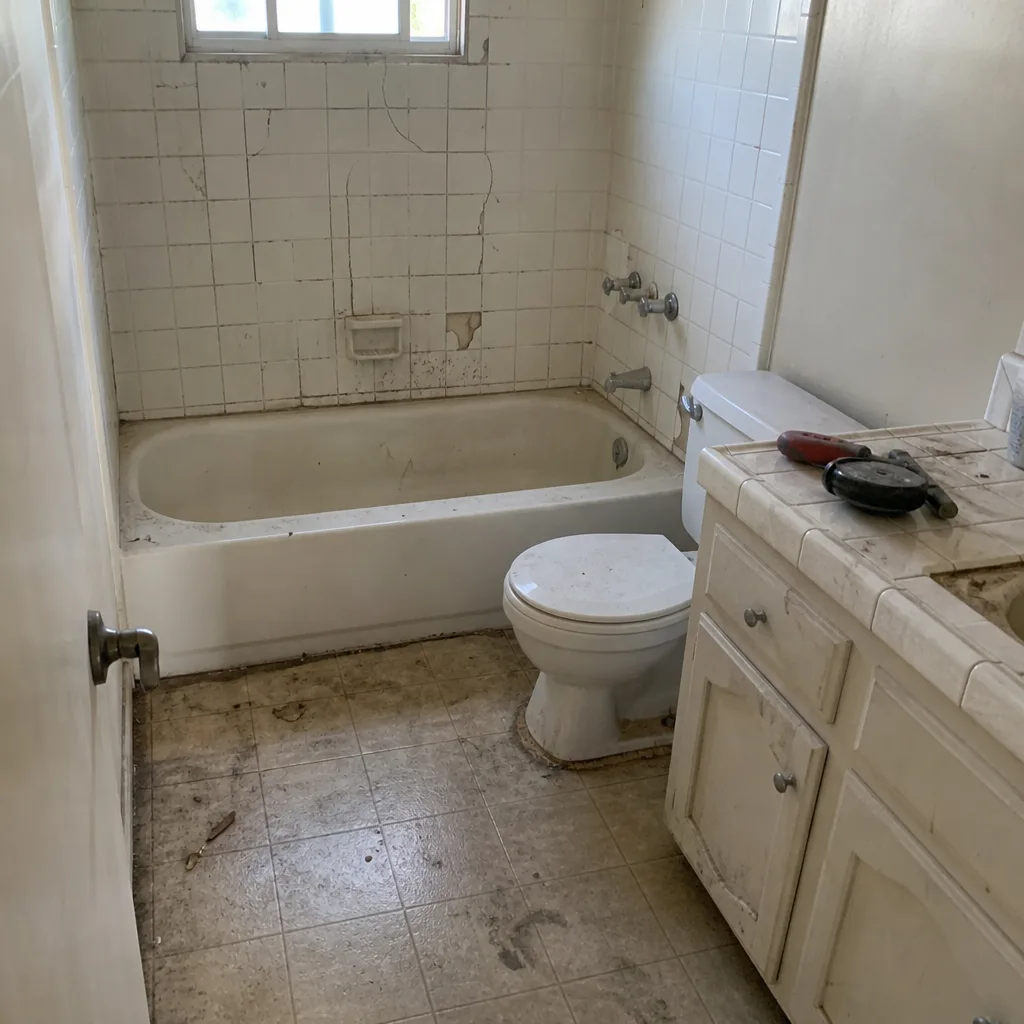 Before
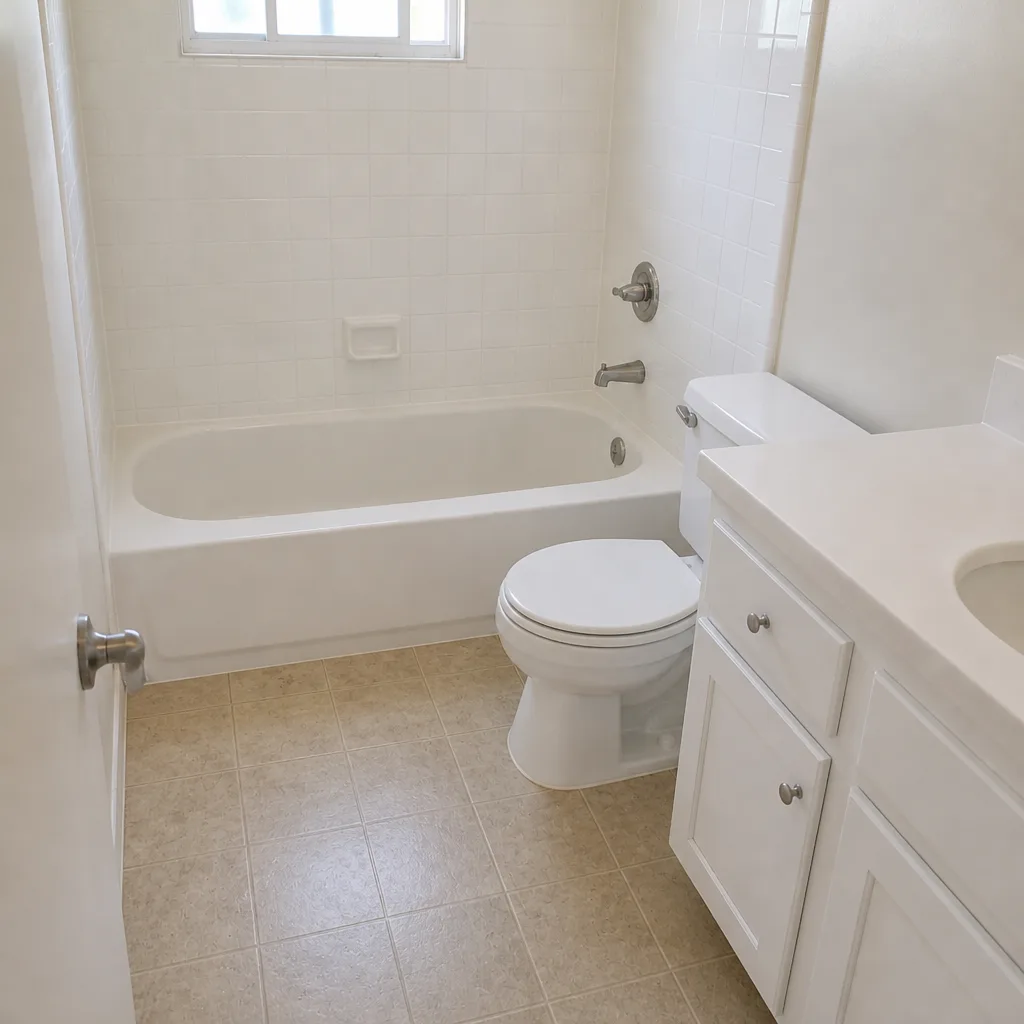 After
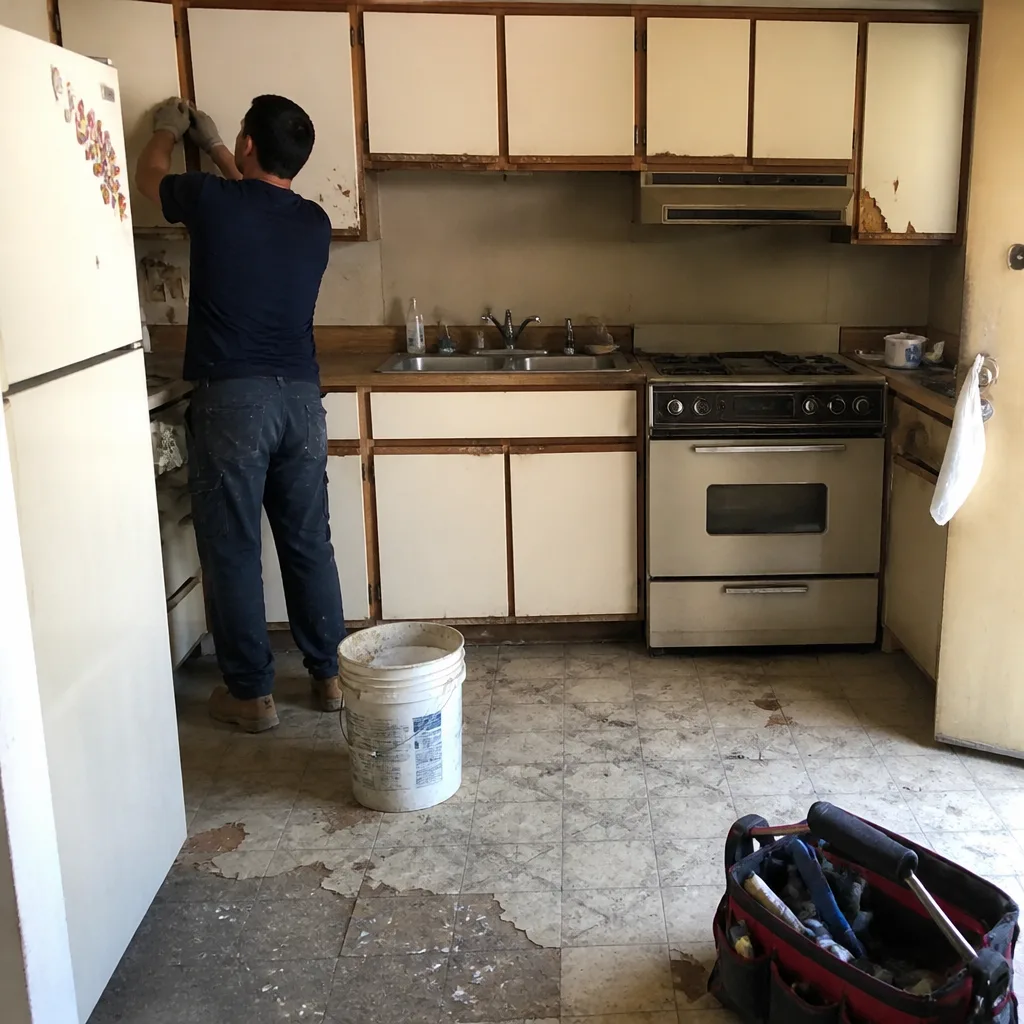 Before
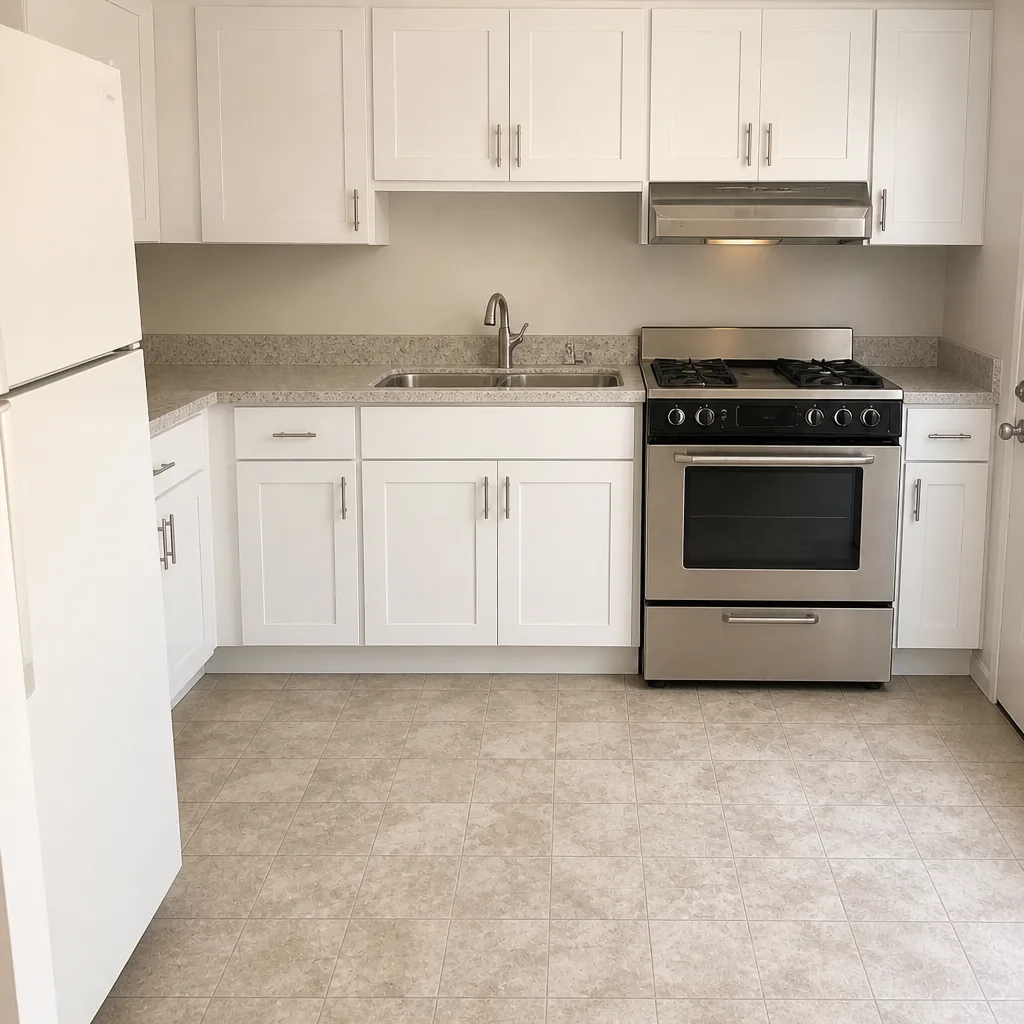 After
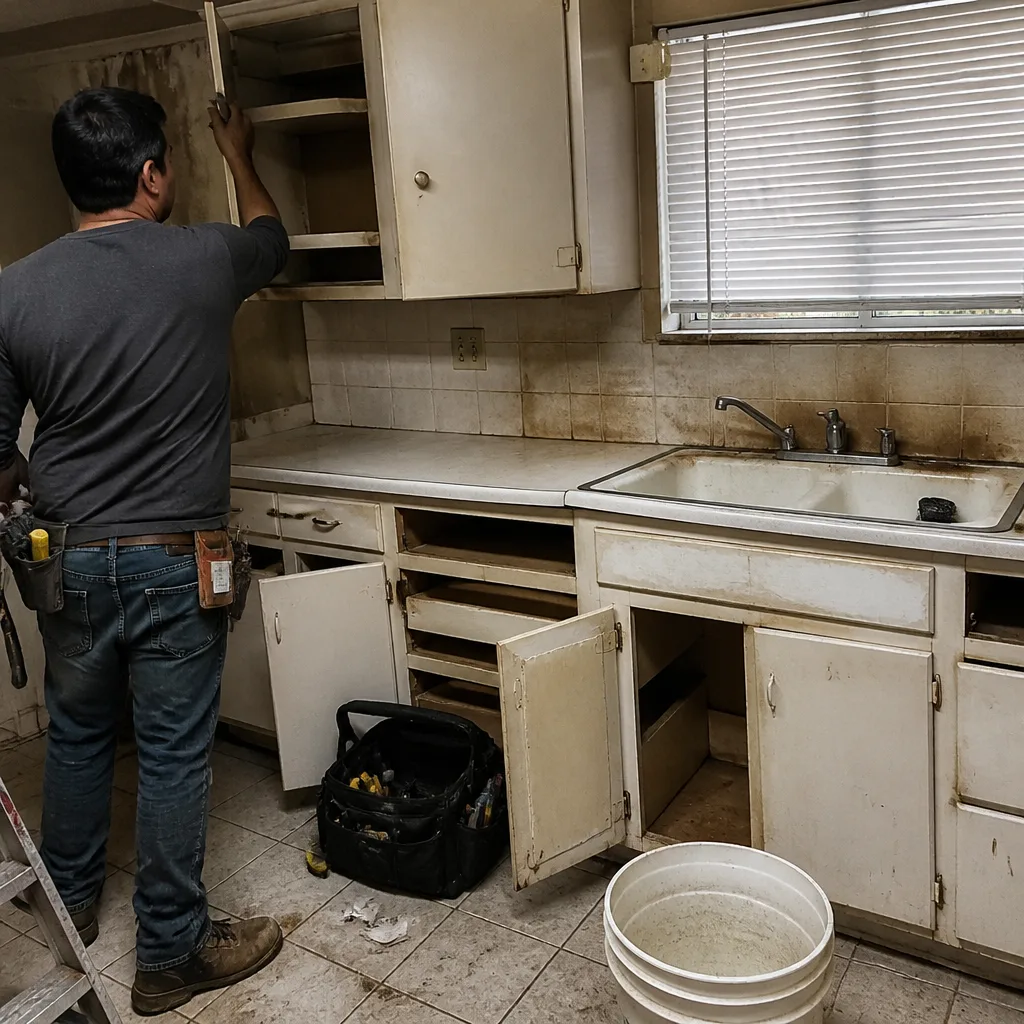 Before
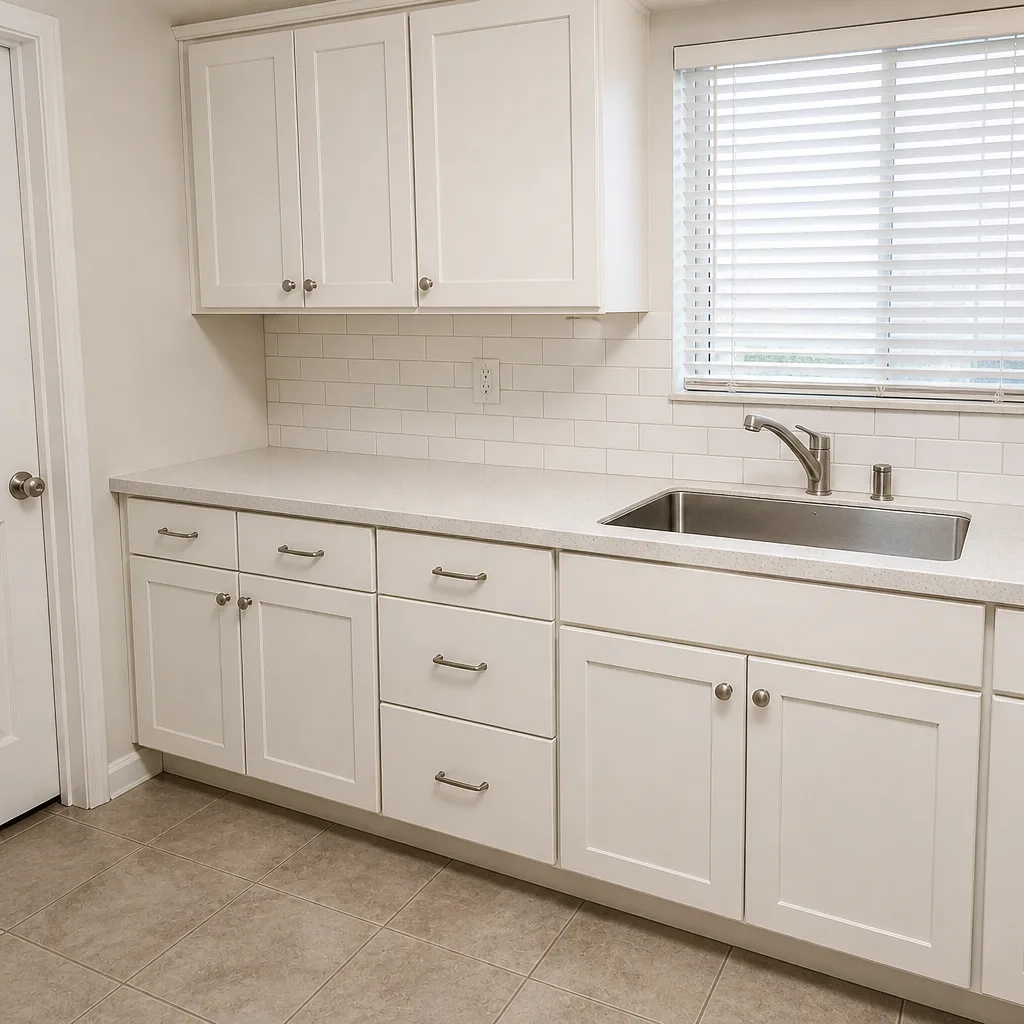 After
When to Call a Professional
Some tasks belong on your own calendar. Others need eyes on them from someone who works with the material every week. The dividing line is usually whether the failure mode matters if you miss it. Call a professional when water is entering the building (roof leak, stucco failure, window or door seal failure), when a structural element is involved (fence posts leaning, driveway settlement deeper than a few inches, paver field that’s spreading at the edges), when the material carries a manufacturer warranty you’d void with a DIY fix, or when the work crosses more than one trade and coordination becomes the problem. Roof repairs, stucco patching above the first floor, electrical and plumbing changes inside a remodel, and any work touching the building envelope all belong on the professional side. Construction El Monte offers free estimates in El Monte, and our technicians have up to 13 years of experience. Call (844) 320-2624 to schedule yours.
Frequently Asked Questions
October. It’s the last stretch before winter rain and after the first Santa Ana wind event of the season, which makes it the right time for roof flashing inspection, exterior caulk, driveway sealing and drainage verification. October work protects the building through the wet season that follows. Call (844) 320-2624 for a free estimate if you’re not sure what your October list should include.
Asphalt driveways here typically need sealing every few years, and the right time is fall. The exact interval depends on sun exposure, traffic and how the surface has aged. A driveway that shows gray, chalky color and fine surface cracks is telling you it’s due. Call (844) 320-2624 for an assessment and a written line-item quote.
Not necessarily every year, but you should check every fall. If the joint is losing sand faster than that, something else is going on, usually drainage or base movement. Top off to the correct level and watch how it holds through the rainy season. Call (844) 320-2624 to schedule a paver inspection – estimates are free.
The general rule is that exterior paint should be applied when surface temperatures stay within the product manufacturer’s stated range, which usually tops out well below the surface temperatures a south- or west-facing wall reaches in July and August. Late spring and early fall are the reliable windows here. If your paint is blistering or chalking in summer, that’s the surface telling you it’s due for prep and repaint. Call (844) 320-2624 to get it on the calendar.
Yes, if water gets behind the finish. El Monte averages around 15 inches of annual rainfall in a concentrated season, and stucco cracks that let water through will eventually show up as interior staining or efflorescence. Inspect stucco cracks each fall and patch anything wide enough to pass a credit card. Call (844) 320-2624 for an inspection if you find more than a few.
Fix it in spring. Spring temperatures are better for prep, paint and sealant cure, and repairs made in spring stay contained instead of expanding over a hot summer. Waiting until summer means the repair is bigger by the time you do it. Call (844) 320-2624 to schedule your spring assessment.
The Bottom Line
El Monte runs on four maintenance windows, and the sequence matters more than any single task on the list. Fall is for protecting surfaces before Santa Ana wind and winter rain. Winter is for watching water. Spring is for assessing what winter did and fixing it while the fix is still small. Summer is for observing heat stress and queuing the repairs for fall. Build a personal calendar from a walk of your own property three times a year, assign every item to its correct season, and the deferred-repair list stays short. If you’d rather have the whole thing on one schedule with one contractor across all seven trades, we can put eyes on it. Call (844) 320-2624 for a free estimate. We answer 24/7. Fast dispatch from 7am to 7pm, Sunday through Friday.
Written by the team at Construction El Monte.