Last updated November 18, 2026
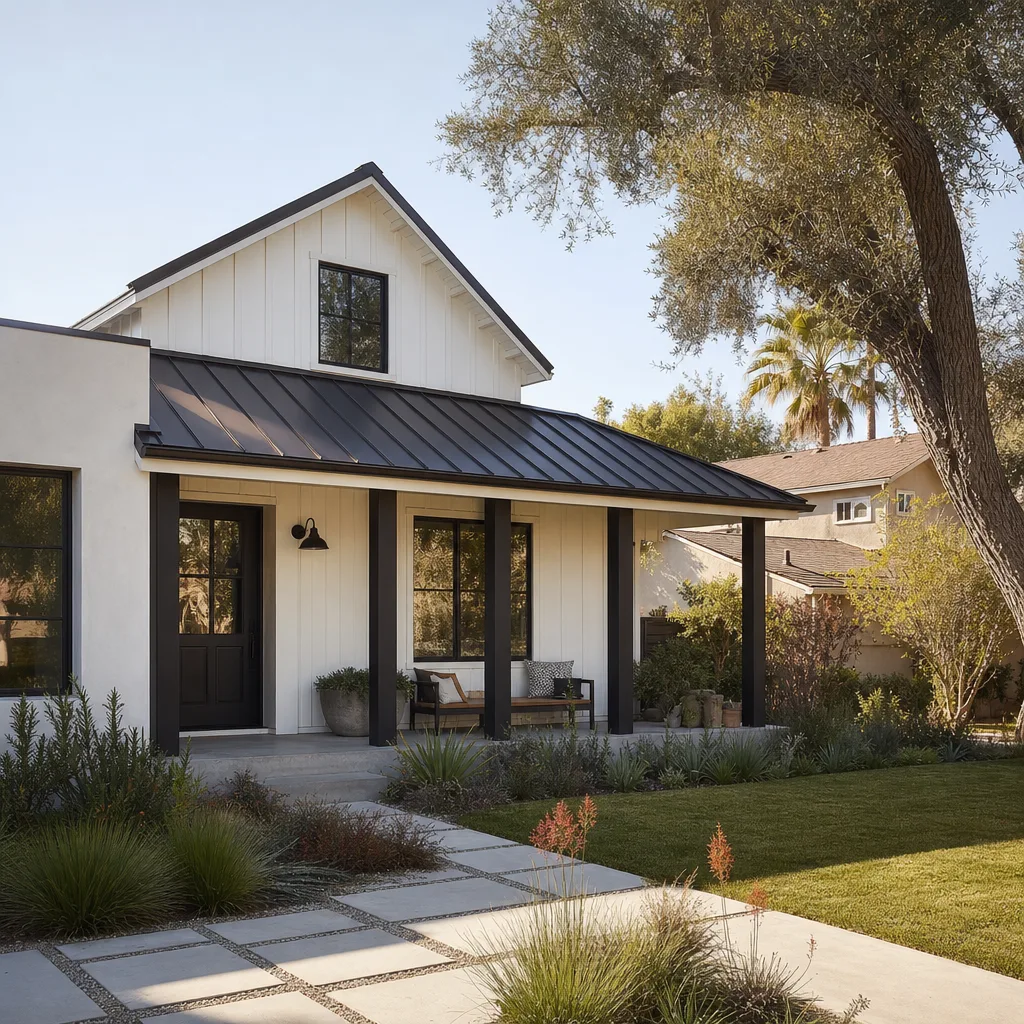
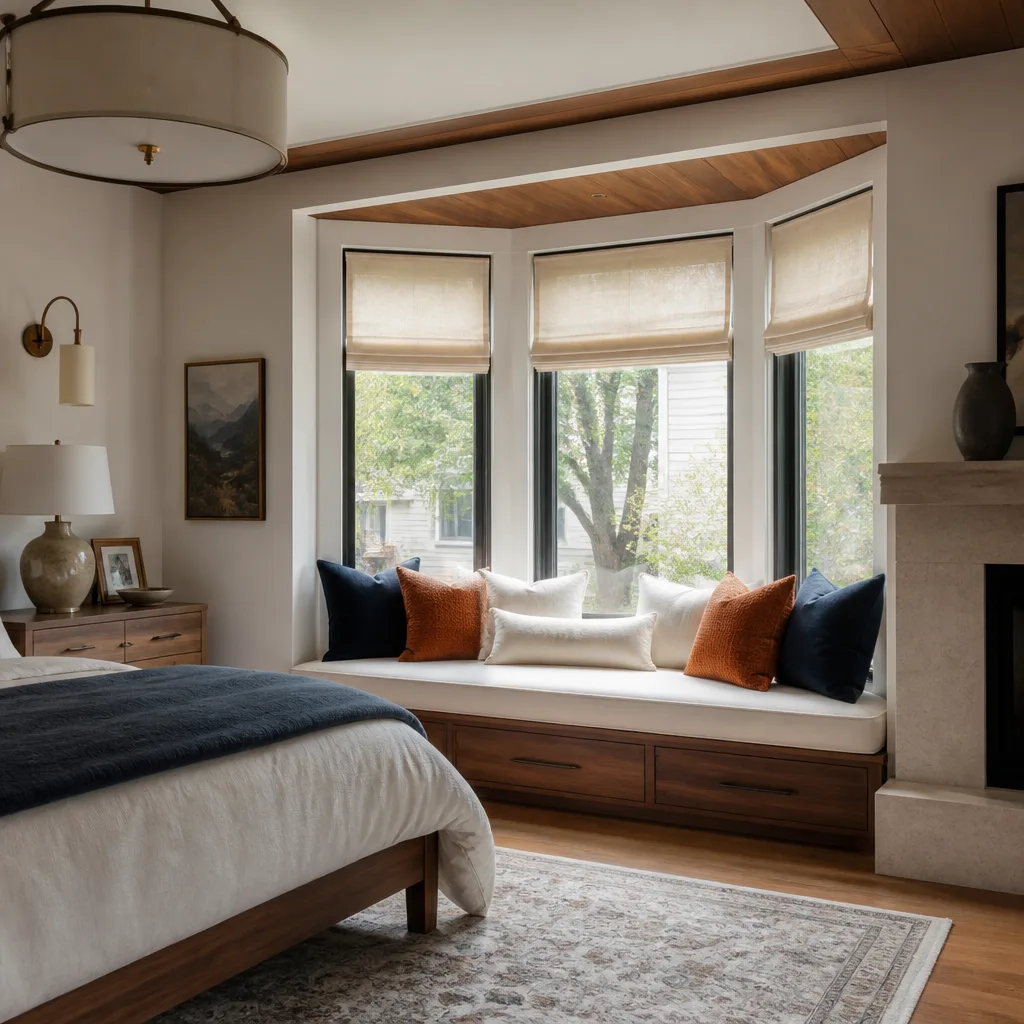
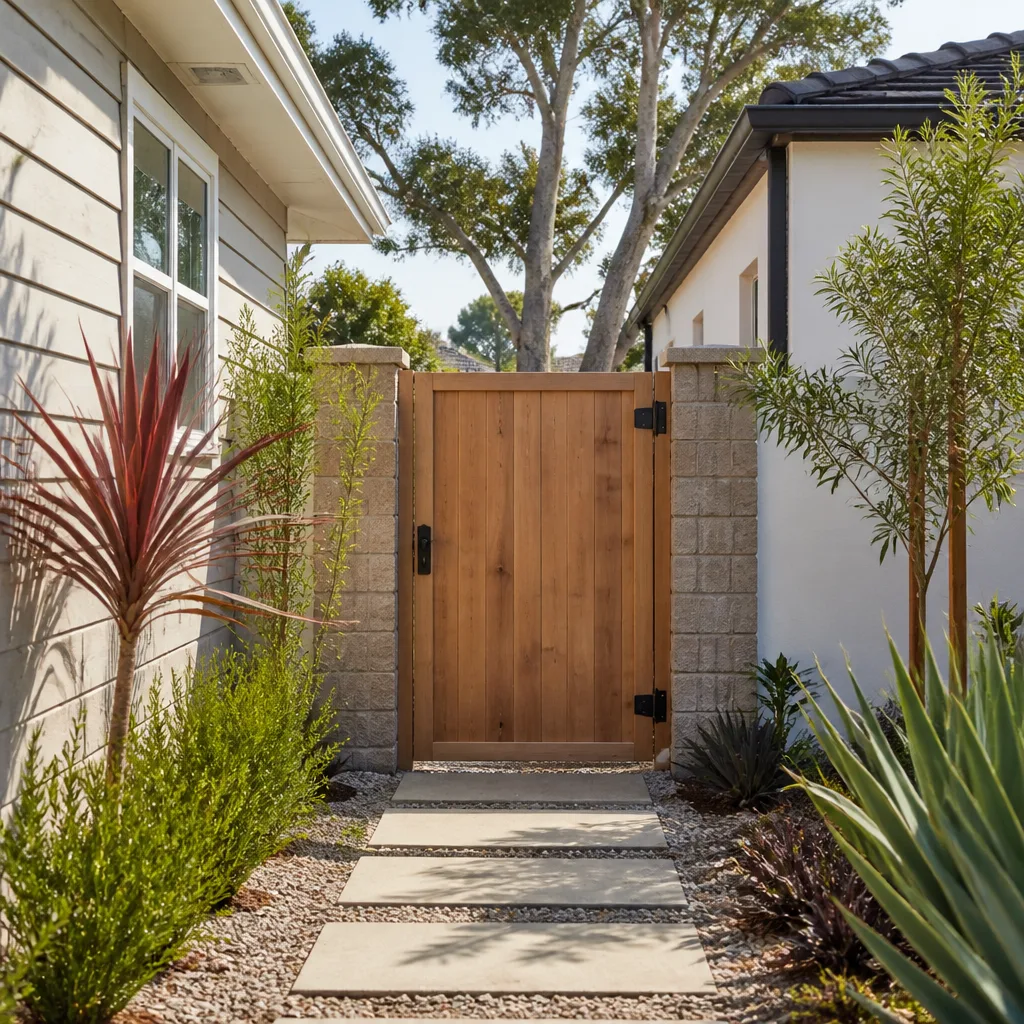
Free written scope consultation - allowances, timeline, and change-order rules on paper before a single trade is scheduled
Choosing the Right Construction Brand: A Buyer’s Guide for El Monte
The brand name printed on a box and the company that actually honors the warranty behind it are often two different businesses. That’s the part most homeowners never check before signing a contract. A heavily advertised shingle might route claims through a third-party warranty administrator with a process that drags on for months, while a quieter manufacturer handles claims in-house and answers the phone. The difference doesn’t show up in a showroom display. It shows up years later, when something fails. This guide is about reading the brand on your material the way a buyer should: through the warranty document, the claim process, and the local supply chain, so you can judge a brand independently before you commit. We’ll walk through what matters for a home in El Monte and how to verify any claim a contractor makes.
Quick Answer
The right construction brand for an El Monte project is the one whose published warranty, claim process, and local material availability you’ve verified yourself, not the one a contractor defaults to. Look for a manufacturer with a written, transferable, non-prorated warranty, a claim process you can read in advance, and materials stocked at Southern California suppliers so replacements stay available. Pick the brand on those terms, then pick a contractor who installs it to the manufacturer’s specification.
Styles & brands we work with
- Kitchen remodeling
- Bathroom remodeling
- Home additions & ADU
- Roofing
- Windows & doors
- Driveway & pavers
- Fence
Table of Contents
- How to Read a Manufacturer Warranty Directly
- The Five Clauses That Decide if a Warranty Is Useful
- Choosing a Roofing Brand: GAF, CertainTeed, Owens Corning
- Choosing a Concrete Paver Brand
- Choosing an Exterior Coating Brand
- Why Local Material Availability Matters in El Monte
- How to Verify the Brand Actually Delivered
- Contractor Warranty vs. Manufacturer Warranty
How to Read a Manufacturer Warranty Directly
A manufacturer’s warranty is the contract between you and the company that made the shingle, the paver, the window, or the coating. It is not the summary a contractor hands you at signing. Those summaries are marketing pieces, and they tend to leave out the parts that decide whether a claim succeeds. The document that governs your claim is published on the manufacturer’s own website, usually as a PDF under a section labeled “warranties,” “warranty documents,” or “technical resources.” Find it yourself, download it, and read it before the contract is signed, not after.
The reason to go to the source is that a brand name on a package tells you almost nothing about what happens when the product fails. Two shingles can look identical on a roof and have completely different warranty structures behind them: one non-prorated and transferable, the other prorated and void the moment you sell the house. The same holds for pavers, windows, and coatings. In our experience, homeowners who read the warranty document before choosing a brand almost never end up surprised at claim time.
Here’s the practical process, and it works for any material category:
- Go to the manufacturer’s official website, not a dealer page or a review site.
- Locate the current warranty PDF for the specific product line, not the brand generally. Warranties are product-specific.
- Download and save a copy with the date you accessed it. Manufacturers revise terms.
- Read the five clauses covered in the next section, with a highlighter or a notepad.
- Compare the same five clauses across two or three brands in that category before you decide.
For an El Monte home, this step matters as much as it does anywhere: the materials you choose today will still be on the house long after the installer’s paperwork is filed away.
The Five Clauses That Decide if a Warranty Is Useful
Five clauses separate a warranty that’s genuinely useful from one that’s a printed promise with an escape hatch. Read them in this order. If any one of them is missing or weak, the brand’s warranty is worth less than its advertising suggests.
- Installation requirements. Every legitimate warranty conditions coverage on the product being installed to the manufacturer’s written specification, which usually means details like fastener type, nail spacing, underlayment, ventilation, or base depth. If the installer deviates, the warranty is void. This is why you want a contractor who follows the spec and documents it.
- Claim process. How do you file, who decides, and what’s the response window? A process routed through a third-party administrator can move slowly. A manufacturer with an in-house claims desk generally moves faster. Read the steps before you need them.
- Labor coverage. Many product warranties cover the material only and leave the labor (often the larger cost) on you. Labor coverage, or its absence, changes the real value of the warranty more than the headline length does.
- Proration schedule. A “lifetime” or “50-year” warranty may pay a declining percentage that falls toward zero over the years. A non-prorated warranty pays full value for the covered period. Note which one applies.
- Transferability. If the warranty transfers to the next owner, it becomes part of your home’s resale value. Some warranties transfer once, some not at all, and some require registration within a set window after installation.
Write the answers to those five points for each brand you’re considering. The comparison usually clarifies the choice faster than any showroom visit.
Choosing a Roofing Brand: GAF, CertainTeed, Owens Corning
Roofing is where the brand-warranty gap shows up most often, because the biggest names in asphalt shingles handle claims through structured programs that are easy to confuse with the warranty itself. The three most widely warranted shingle brands in North America, GAF, CertainTeed, and Owens Corning, all publish their warranty documents online. Read them side by side, with attention to the five clauses above. A brand like IKO, Atlas, or Tamko may offer a comparable structure at a different price point, and Boral covers tile roofs with its own terms.
Two things matter most when comparing roofing brands for an El Monte roof. First, the shingle system: modern asphalt warranties often cover the shingles, underlayment, and accessories as a system, and a mismatch can affect coverage. Second, the ventilation and installation specification. Our technicians have up to 13 years of experience, and a common thread in failing roofs is an install that skipped the manufacturer’s spec, which quietly voids the warranty no matter how good the shingle was.
A practical comparison order for roofing:
- Pick two or three shingle brands in your price range from GAF, CertainTeed, Owens Corning, IKO, Atlas, Tamko, or Boral.
- Pull each brand’s warranty PDF and note proration, labor coverage, and transferability.
- Confirm the brand’s full system is available locally, including underlayment and accessories.
- Ask the contractor for the manufacturer’s installation spec and confirm it will be followed.
Roofing work involves height, and steep-pitch roofs carry real fall risk. This is trained-professional territory; a warranty-valid install depends on details best left to an experienced roofer. If a roof needs attention, we install GAF, CertainTeed, and Owens Corning systems and can walk you through the warranty terms for each.
Choosing a Concrete Paver Brand
Concrete pavers are the one category where the manufacturer’s product guarantee is usually short and specific, and where installation quality drives longevity more than the brand does. Belgard, Basalite, and Mutual Materials each publish their own product guarantees and their own recommended installation specs: base depth, joint sand, edge restraint, and compaction. Those specs differ slightly by brand, which is why the paver and the installation method belong in the same conversation.
When you compare paver brands, ask these questions:
- What does the product warranty actually cover, and for how long? Most cover manufacturing defects, not settling or shifting.
- Is the color and style available locally, or is it a special order with a lead time?
- What does the brand specify for base, joint sand, and edge restraint?
- Does the manufacturer publish a written guarantee you can read before buying?
El Monte summers are hot and dry, and long stretches without rain dry out base material and can shift a poorly bedded surface. A paver rated and installed for the local conditions lasts; a bargain paver set on an undersized base doesn’t, regardless of the name on the pallet. Brands like Belgard, Basalite, and Mutual Materials publish specs suited to the region, and it’s worth matching the brand to the install method rather than the other way around. If you’re planning a driveway or patio, our driveway & pavers work follows the manufacturer’s installation spec so the product guarantee stays valid.
Choosing an Exterior Coating Brand
Exterior coatings are one of the most misunderstood categories, because the paint on the wall gets blamed for failures that are actually preparation and application problems. Behr, Sherwin-Williams, and Dunn-Edwards all publish product data sheets that list coverage, dry time, and the surface prep each coating requires. The data sheet, not the paint chip, is where the real warranty information lives.
What to compare across coating brands:
- Warranty length and terms. Some exterior paints carry multi-year warranties with specific exclusions; read the terms, not the badge on the can.
- Prep requirements. A coating that requires a primer or a specific surface profile won’t perform without it, and skipping prep voids coverage.
- Local climate fit. A coating formulated for high heat and intense sun holds color and film better in El Monte’s dry summers than a product built for a cooler market.
- Data sheet availability. If a brand doesn’t publish a clear product data sheet, that’s a signal about how it handles claims.
Surface preparation is the part of an exterior paint job that actually determines how long the finish lasts. That’s unglamorous work, but it’s what separates a finish that holds for years from one that peels within a season. When we spec an exterior coating for an El Monte home, we match the product to the prep the wall requires, and we keep the data sheet on file.
Why Local Material Availability Matters in El Monte
A brand you can’t buy locally is a brand that will slow your project down and complicate future repairs. El Monte sits in the San Gabriel Valley, with material suppliers across the surrounding area. Some brands stock regionally; others are special order and arrive on a timeline you don’t control. The question isn’t only “is this a good brand?” but “can I get this brand, and its accessories, when I need them?”
Here’s why that matters:
- Project scheduling. Special-order materials add lead time that pushes out the whole schedule. Locally stocked brands keep a project moving.
- Future repairs. If a paver cracks or a shingle lifts in a few years, you want to know the same brand, color, and profile are still available. A discontinued special-order item can force a partial replacement that never quite matches.
- Color matching. Pavers and roofing are dyed in batches; buying all material for one project from the same lot matters, and local stock makes that easier.
Before you commit to a brand, ask whether it’s stocked at regional suppliers or special order, and what the lead time is. A contractor who can answer that question clearly has done this before. Availability is also a reason we favor brands with strong Southern California distribution; it keeps El Monte projects on schedule and future repairs straightforward.
How to Verify the Brand Actually Delivered
Specifying a brand on the contract and installing that brand on the house are two different events. Homeowners should verify what actually shows up on delivery. This is not about distrust; material substitutions happen at suppliers, and a quick check protects the warranty you paid for.
What to look for when materials arrive:
- Read the packaging label. The brand, product line, and color or profile should match the contract exactly.
- Check the lot or batch numbers. Materials from the same lot match; mixed lots can show color drift, especially on pavers and shingles.
- Confirm the accessory brands. Underlayment, fasteners, edge restraints, and joint sand are often branded too, and a system warranty may require them to match.
- Keep the delivery paperwork. Invoices and packing slips document the brand and lot for any future claim.
- Photograph the labeled packaging on delivery. It takes a minute and settles any question later.
For windows and doors, brands like Therma-Tru and Mr-Glass label their units, and the label is worth reading against the spec sheet. We expect homeowners to check, and we keep the documentation organized so the brand on the paperwork matches the brand on the house.
Contractor Warranty vs. Manufacturer Warranty
Two warranties exist on a good construction project, and they cover different things. The manufacturer warranty covers the product. The contractor warranty covers the workmanship, meaning the installation. They’re both worth having, and getting both requires specific documentation at job completion.
Here’s the distinction:
| Warranty | Covers | Who honors it | What you need |
|---|---|---|---|
| Manufacturer | The product: shingle, paver, window, coating | The manufacturer or its claim service | Product documentation, install records, possibly registration |
| Contractor | The installation: labor, flashing, base, sealing | The contractor | Written workmanship warranty in the contract |
A product warranty can be voided by bad installation, and a workmanship warranty can fail if the product itself was defective. That’s why both need documentation. At job completion, collect:
- The manufacturer warranty document (your own copy of the PDF, dated).
- Proof of any required product registration within the manufacturer’s window.
- The written workmanship warranty with the coverage period and exclusions spelled out.
- Delivery invoices and packing slips showing brand and lot.
- A written record that the install followed the manufacturer’s specification.
If a contractor can’t produce those documents when the job is done, the brand’s warranty is worth less than the paper it’s printed on. Ask for the file at handover. It’s a reasonable request, and a good contractor expects it. Across all our work, from the driveway to the roofline, we keep that paperwork together so a homeowner isn’t left reconstructing it years later.
Common Mistakes to Avoid
- Choosing a brand by advertising weight. A brand that advertises heavily isn’t necessarily the one with the strongest claim process. Read the warranty document, not the billboard.
- Accepting the contractor’s warranty summary instead of the manufacturer’s PDF. The summary is marketing; the published document governs. Download it yourself.
- Ignoring proration and transferability. A long warranty that pays a declining percentage and doesn’t transfer is worth far less than a shorter non-prorated one. Check both before you compare lengths, an easy mistake on any El Monte roof.
- Skipping the lot and batch check on delivery. Mixed lots cause color mismatches on pavers and shingles. Check labels and lot numbers when materials arrive.
- Specifying a special-order brand without checking lead time. A brand that has to be ordered can push an El Monte project’s schedule out by weeks. Confirm availability before you commit.
- Letting the product warranty lapse through missed registration. Some warranties require the homeowner to register within a set window. Miss it and the coverage may not apply.
- Assuming a brand name guarantees an install. Installation to the manufacturer’s spec is what keeps coverage alive. Verify the spec was followed, not just that the right boxes arrived.
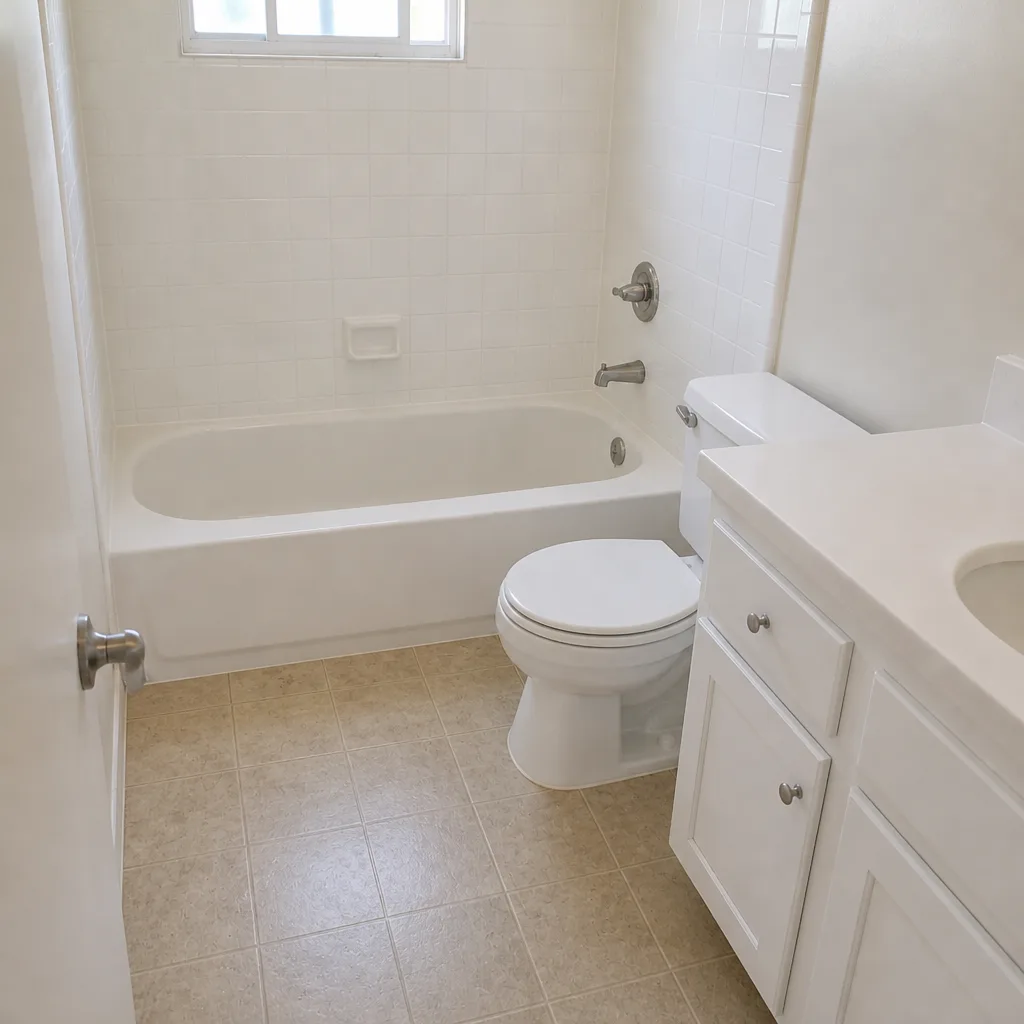
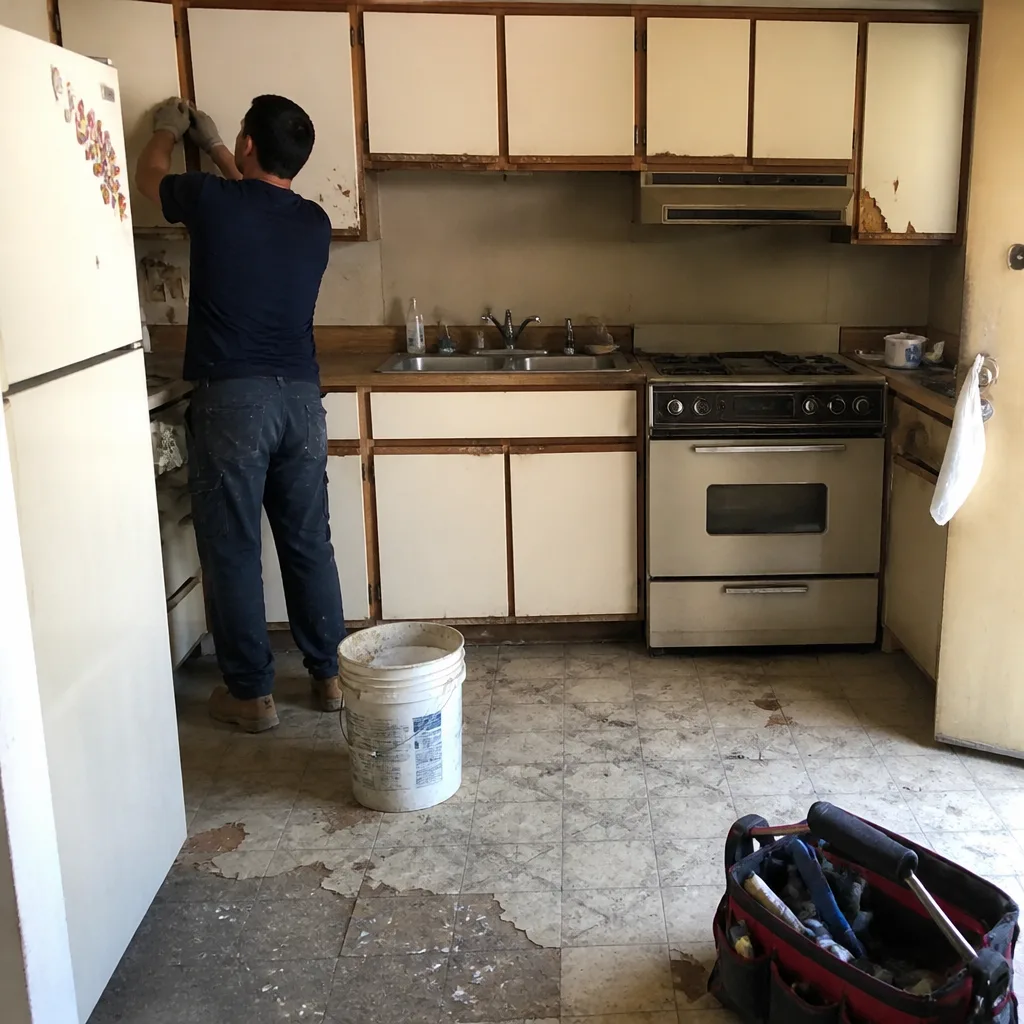
See the difference
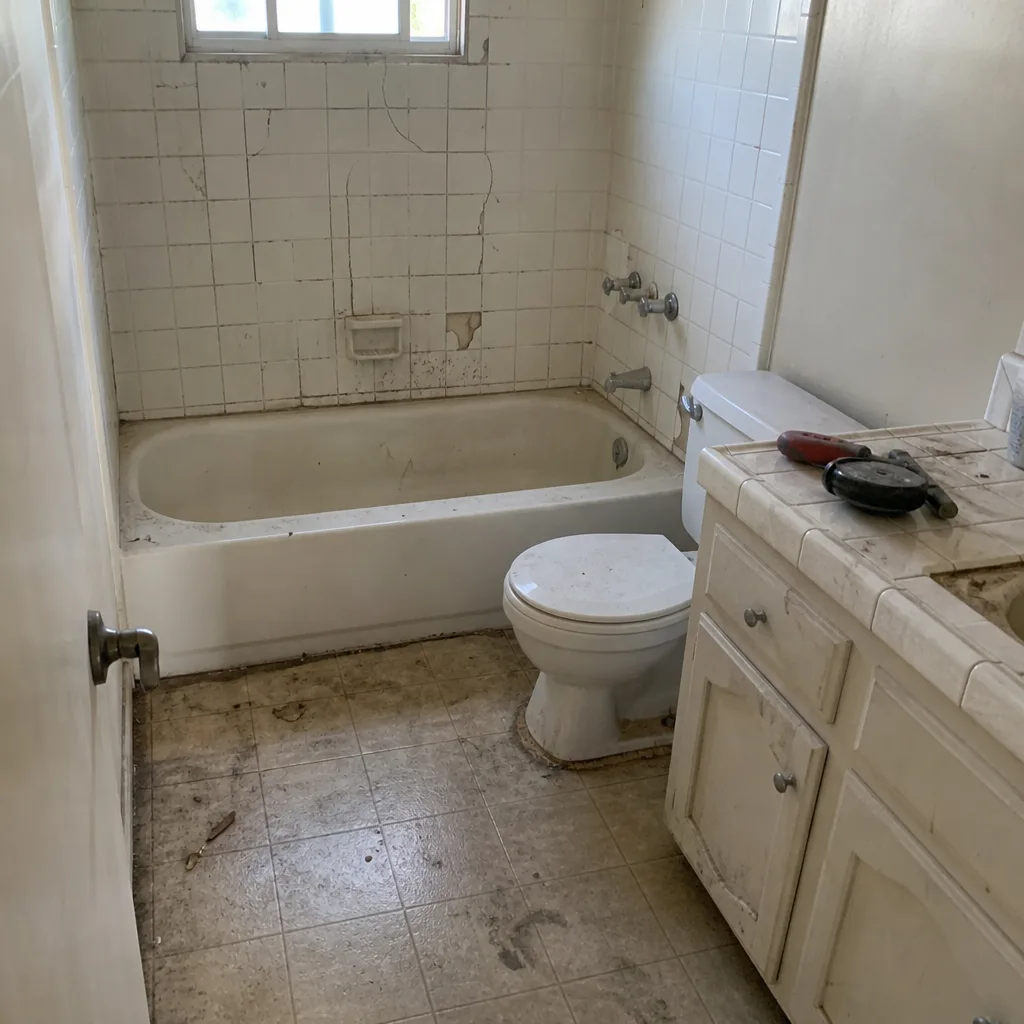 Before
 After
 Before
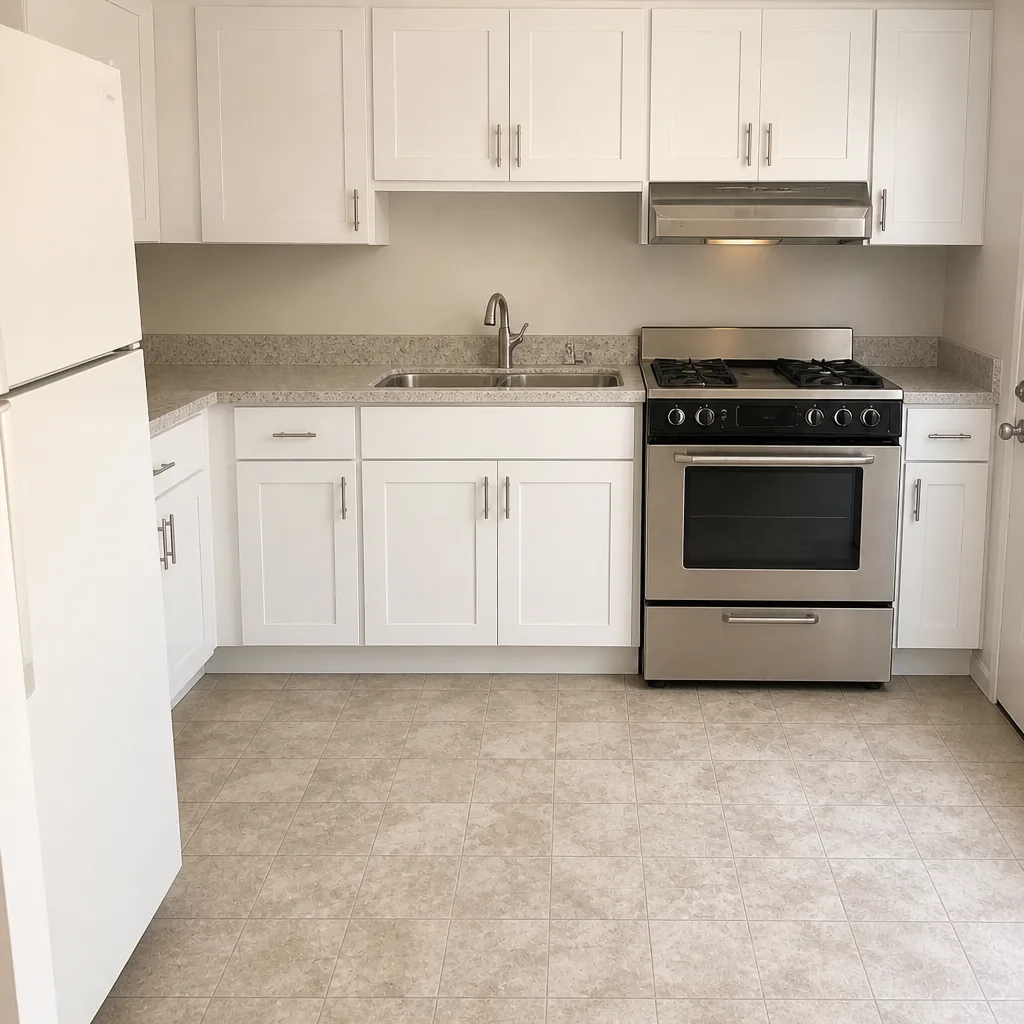 After
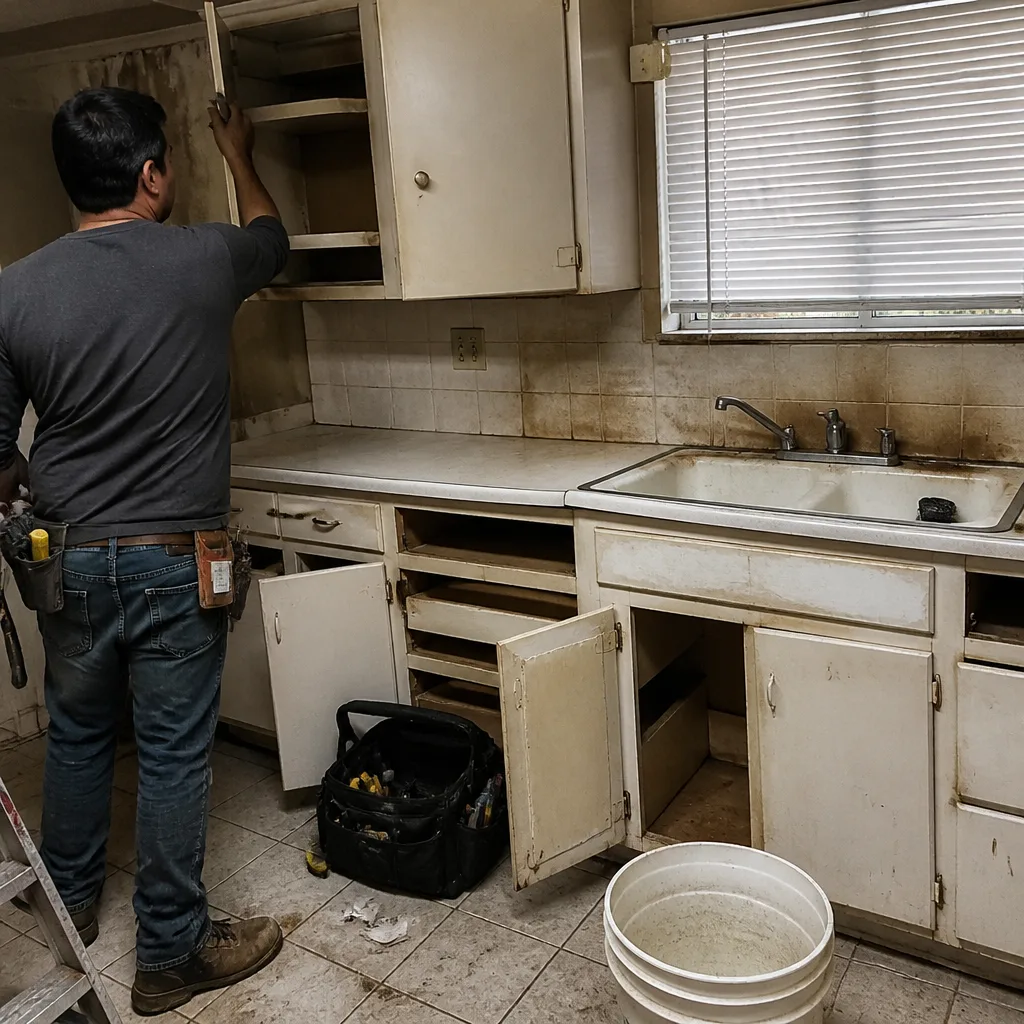 Before
 After
When to Call a Professional
Some of this work you can research yourself: pull the warranty PDFs, compare the five clauses, check local availability. But the material categories where a bad brand choice or a bad install costs the most are exactly the ones that need trained hands. Roofing means height and system specs. Windows and doors need impact-rated or energy-efficient units set and sealed correctly; brands like Therma-Tru, ES Windows, ViewLux, and Barrette all publish installation specs that must be followed. Exterior coatings depend on prep. Home additions and ADUs involve structural work and permits that must be pulled and inspected. Those are the points to stop researching and start calling. Construction El Monte offers free estimates in El Monte. Call (844) 320-2624. We answer 24/7. Fast dispatch from 7am to 7pm, Sunday through Friday.
Frequently Asked Questions
The best brand is the one whose published warranty, claim process, and local availability you’ve verified yourself, not the one with the biggest advertising budget. For roofing, GAF, CertainTeed, and Owens Corning are the three most widely warranted shingle brands; for pavers, Belgard, Basalite, and Mutual Materials publish their own guarantees; for cabinetry and countertops, KraftMaid, Wellborn, Cambria, Silestone, and Caesarstone all offer published warranties. Read the warranty terms for each, then choose.
Go to the manufacturer’s official website and download the warranty PDF for the specific product line, not the brand generally. Read the five clauses that decide whether it’s useful: installation requirements, claim process, labor coverage, proration schedule, and transferability. Save a dated copy; manufacturers revise terms. Call (844) 320-2624 for help reading the warranty on an El Monte project. Estimates are free.
A manufacturer warranty covers the product (the shingle, the paver, the window) and is honored by the manufacturer or its claim service. A contractor warranty covers the installation (labor, flashing, base, sealing) and is honored by the contractor. You want both on a project, and getting both requires specific documentation at job completion: the warranty PDFs, any registration proof, delivery invoices, and a written workmanship warranty.
Locally stocked brands keep a project on schedule, while special-order brands add lead time. Availability also matters for future repairs: if a paver or shingle fails in a few years, you want the same brand, color, and profile on hand. Before you choose a brand, ask whether it’s stocked at regional El Monte-area suppliers or special order, and what the lead time is. Call (844) 320-2624 for an exact quote.
Check the packaging label on delivery for brand, product line, and color or profile, and confirm they match the contract. Check lot or batch numbers so materials match, and confirm accessory brands (underlayment, fasteners, edge restraints) match as required by a system warranty. Keep the delivery paperwork and photograph the labeled packaging. A contractor should expect you to check. Call (844) 320-2624 to schedule a free estimate.
Often yes, because the value is in the warranty and the supply chain, not just the product. A brand with a non-prorated, transferable warranty and local stock can cost more upfront and cost less over the life of the home. A cheaper brand with a weak claim process and no local availability can cost more when something fails. Compare the five warranty clauses and local availability, then judge the price.
The Bottom Line
The brand on your material is only as good as the warranty document behind it and the installer who follows the spec. Read the manufacturer’s warranty yourself, weigh installation requirements, claim process, labor coverage, proration, and transferability, and confirm the brand is available locally so your El Monte project stays on schedule and future repairs stay straightforward. Verify what’s delivered, collect the documentation at handover, and keep both the product warranty and the workmanship warranty on file. One contractor with specified brand-name materials, from the driveway to the roofline, makes that easier to manage.
Ready to talk through brands and materials for your project? Construction El Monte builds across seven categories: driveway & pavers, fence installation, home additions & ADU, bathroom remodeling, windows & doors, roofing, and kitchen remodeling, using brand-name materials with published warranties. Learn more on our Construction El Monte page, and call (844) 320-2624 for a free estimate. We answer 24/7. Fast dispatch from 7am to 7pm, Sunday through Friday.
Written by the team at Construction El Monte.