Last updated November 18, 2026





Free written scope consultation - allowances, timeline, and change-order rules on paper before a single trade is scheduled
DIY vs Professional Construction: The El Monte Homeowner’s Decision Guide
Painting your own fence is DIY. Swapping a cracked paver or two is DIY. Spreading three tons of base rock over a slope you haven’t compacted, because a fifteen-minute video made it look easy, is the kind of project that quietly costs more than hiring someone in the first place. And here’s the part most guides skip: when that base fails and water backs up against your foundation, the bill lands on you, not on a contractor. The real question in El Monte isn’t whether you’re handy enough. It’s which jobs put your permits, warranties, and insurance on the line. This guide walks through that line project by project.
Quick Answer
The honest answer is that most El Monte homeowners should handle cosmetic and maintenance work themselves, and hand licensed, permit-required, or structurally sensitive work to a professional. Repainting, fencing a small section, patching drywall, and swapping fixtures are fair game. Anything that touches the building envelope, the foundation, electrical, gas, or a permitted addition generally is not. The deciding factors aren’t skill. They’re permit exposure, warranty validity, and how your insurance company will look at the work if something goes wrong later.
Styles & brands we work with
- Kitchen remodeling
- Bathroom remodeling
- Home additions & ADU
- Roofing
- Windows & doors
- Driveway & pavers
- Fence
Table of Contents
- Which El Monte Projects Legally Require a Licensed Contractor?
- What “Owner-Builder” Status Actually Means and Costs
- How DIY Work Affects Your Homeowner’s Insurance Claims
- The Honest Skill Assessment: Where DIY Pays and Where It Doesn’t
- How to Combine DIY and Professional Work Without Voiding a Warranty
- What DIY Saves Versus What It Costs in El Monte
- Why El Monte’s Climate Rewards Some Shortcuts and Punishes Others
- When to Call a Professional
Which El Monte Projects Legally Require a Licensed Contractor?
California is unusually clear about this. Under the state’s contractor licensing rules, any construction work priced at $500 or more in combined labor and materials generally has to be performed by a licensed contractor. That threshold isn’t a suggestion; it’s the line where the state stops treating you as a hobbyist. In El Monte, most of the projects people actually want done land far above that number.
Here’s the practical split we see on El Monte properties:
- Generally requires a licensed contractor: additions and accessory dwelling units, roofing, window and door replacement that alters the opening or involves structural framing, kitchen and bathroom remodels that move plumbing or electrical, and any work the city requires a permit for.
- Frequently DIY-friendly: interior painting, fence staining, landscaping, minor patching, and replacing a like-for-like fixture where no permit is triggered.
Permits are a separate question from licensing, and they trip people up. Many exterior and structural jobs in El Monte require a building permit, and the permit triggers inspection. Inspections are skipped by a lot of DIY work. That’s the part that leaves a paper trail nobody wants.
Our own range of work reflects this. When homeowners ask us about home additions & ADU projects, the conversation almost always starts with permits, not materials. That’s the correct order.
What “Owner-Builder” Status Actually Means and Costs
Owner-builder is the legal status that lets a homeowner pull permits on their own property without holding a contractor license. It sounds freeing. In practice, it comes with obligations many people don’t learn about until they’re ten months into a project.
When you act as an owner-builder, you take on the roles a licensed contractor would normally fill:
- You pull the permit in your own name and are responsible for every inspection sign-off.
- You’re liable for the work, including injuries to anyone who assists you. A homeowner policy may not cover uninsured helpers.
- You schedule and attend inspections at each phase a licensed contractor would normally coordinate.
- You disclose it on sale. California requires owners to disclose known permit history when selling. Unpermitted or owner-builder work that wasn’t finalized correctly becomes a negotiation point at closing.
- You absolutely cannot hire unlicensed helpers and stay clean of the rules. California makes it a violation for a licensed contractor but also creates trouble for homeowners knowingly employing unlicensed tradespeople.
Time is the hidden cost. A remodeled bathroom in El Monte that would take a contractor six to eight weeks can stretch to five or six months when a homeowner is coordinating inspections around a full-time job. Resale disclosure is the other cost. Buyer’s agents in El Monte ask for permit history on every offer. A missing final inspection on a kitchen remodel is a reason to reduce a price.
How DIY Work Affects Your Homeowner’s Insurance Claims
This is the question almost nobody asks until it matters. The short version: if your insurer can show a loss was caused by unpermitted or improperly installed work, your claim can be reduced or denied. Not always, and not for every type of work, but often enough that it should change how you plan the project.
Where it bites in El Monte, from what we’ve seen:
- Water damage. A shower pan or tub surround installed without the correct waterproofing is one of the most common causes of hidden damage in a home. Insurers investigate the origin of the loss; if the failed piece was a shower you installed yourself, expect scrutiny.
- Structural issues. A sagging beam or a cracked patio header from a DIY framing job often leads to a claim denial based on unpermitted work.
- Fire from electrical or gas work. This one is serious. If a fire originates from wiring you ran without a permit or an inspection, your insurer may reduce or deny the claim. Gas line work belongs to a licensed professional, always, not just on insurance grounds but because improper work can be fatal.
- Water heater or fixture failures. A water heater installed without a permit and proper strapping is a common claim denial reason.
Before you touch a plumbing, gas, or electrical system, ask your insurer what they require. Also ask your city building department. Neither will cost you anything to check.
The Honest Skill Assessment: Where DIY Pays and Where It Doesn’t
Being honest about your own ability is a skill in itself. Some tasks a competent homeowner saves real money on. Others have a margin for error so narrow that any savings evaporate the moment you redo the work.
Tasks where DIY genuinely saves money:
- Interior and exterior painting (careful prep matters more than skill).
- Staining or sealing a wood fence.
- Replacing light fixtures, outlets, and switches that are like-for-like (no new circuits).
- Laying instant tile over a small bathroom floor.
- Pressure-washing and cleaning pavers once they’re installed.
Tasks where the margin for error eats any savings:
- Paver and driveway installation. Excavation depth, base compaction, and pitch for drainage are everything. If a base isn’t compacted to the right density and pitch, the pavers shift and pool water at the first real rain. That’s a full redo, not a repair. Our driveway & pavers page covers what the base work actually involves.
- Roofing. Roof leaks travel. A half-day DIY patch that lets water in near a valley flashing can rot a ceiling within a season.
- Window and door replacement. Framing and flashing errors here are the number one source of hidden water intrusion. Impact-rated and energy-efficient window systems from PGT, CGI, or Therma-Tru require the opening to be installed correctly or the warranty goes void. Our fence installation and windows work share that same truth: the materials are only as good as the installation.
- Anything structural. Load paths, headers, and connections require engineering judgment. This is not a learn-by-video category.
How to Combine DIY and Professional Work Without Voiding a Warranty
You don’t have to hand over the whole project. The smartest El Monte homeowners split the work along warranty lines. That means: anything covered by a manufacturer’s warranty goes to a licensed installer, and everything adjacent that isn’t covered goes to you.
The line falls here in practice:
- Materials with a published warranty require a certified installer. Roofing shingles from GAF, CertainTeed, or Owens Corning typically carry a stronger warranty when installed by a manufacturer-approved contractor. Kitchen and bath brands like KraftMaid, Cambria, and Kohler have similar provisions. If you install the product yourself, you often end up with a parts-only warranty instead of a full one.
- Do the prep work, not the install. Flooring removal, painting, and site clearing can be done by you before the crew arrives. Just don’t touch the layers that keep water out.
- Never modify a contractor’s work after the fact. If you pull a faucet or cut into a finished wall a licensed professional just installed, you can void the warranty on that scope. Have them run the plumbing change while they’re there.
- Document what you did yourself. Photos, receipts, and a simple log make any future claim easier.
One contractor handling the licensed scope across multiple trades is often easier than juggling several subcontractors. From the driveway to the roofline, that coordination is where the real efficiency sits on a project that mixes professional and DIY work.
What DIY Saves Versus What It Costs in El Monte
Numbers here are typical estimates only. Every job is priced per project by the written estimate, and the final figure depends on site conditions, materials, and scope. But the shape of the comparison is stable, and it’s worth understanding before you decide.
| Project (typical El Monte home) | DIY Cost Range | Professional Estimate Range | Notes |
|---|---|---|---|
| Interior painting, 2 rooms | $150-$400 | $500-$1,100 | DIY is often the right call here |
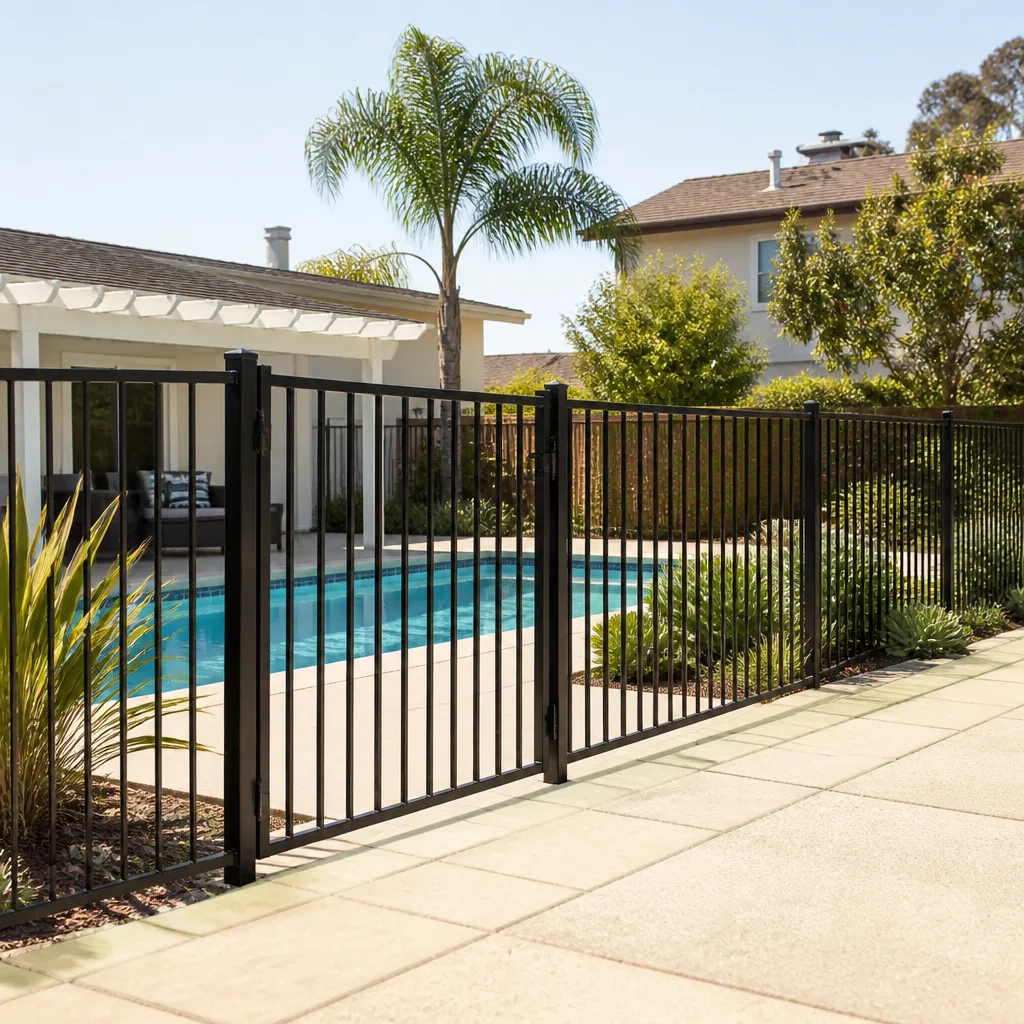
| Small fence section replacement (30 ft) | $300-$700 | $800-$1,800 | Post depth and concrete matter more than looks |
| Driveway paver overlay | $2,500-$5,000 | $6,000-$14,000 | Base prep drives durability; DIY failures common |
| Roof shingle patch (damaged section) | $150-$500 | $600-$1,500 | Flashing errors cause long-term leaks |
| Window or door replacement (single opening) | $400-$1,200 | $1,200-$3,500 | Warranty typically requires certified install |
| Bathroom remodel (mid-grade) | $6,000-$15,000 | $18,000-$40,000 | Waterproofing and permits drive the risk gap |
Notice two things. First, professional pricing in El Monte reflects labor costs, permits, and warranty support, all things a DIY project doesn’t include. Second, and more important: the DIY number assumes the work goes right on the first attempt. If it doesn’t, the DIY cost doubles or worse, and the schedule slips. That’s the real comparison to run.
If you’ve sourced pavers from Belgard, Unilock, or Techo-Bloc and want them properly installed, call (844) 320-2624 for a written estimate that spells out the base work separately. Free estimates, fixed pricing, no change orders.
Why El Monte’s Climate Rewards Some Shortcuts and Punishes Others
El Monte’s climate is generous to most construction: dry summers, mild winters, and plenty of sun. But that same dryness does two things. It makes exterior wood shrink and crack faster, and it turns certain shortcut mistakes into permanent damage. A fence post set short in dry soil cures into a lean by the second summer. A driveway base that’s one inch too shallow during a wet season becomes pooled water that undermines the whole surface.
Where the climate cooperates: interior work, painting, and most landscaping. You can paint a room in December in El Monte with more confidence about drying than in colder climates. Fence staining, too, holds up well when done in dry weather.
Where it punishes shortcuts: anything that manages water. Roof flashing, window and door flashing, shower waterproofing, driveway drainage, and drainage around the property. Water is the number one cause of structural damage in this climate, and it’s always most visible after a wet season. By the time it’s visible, the repair is larger than the original job would have been.
A quick check of the soil in your own El Monte yard tells you a lot before you start. Dig a six-inch hole in the area where you plan the work. If it fills with even a little standing water after a rain, drainage needs to be part of the plan.
Common Mistakes to Avoid
- Skipping the base. Excavation depth and compaction on a paver or driveway job are the single biggest driver of whether it lasts. A half-inch too shallow on base material is a failure waiting for the first wet winter.
- Buying premium materials without a certified installer. GAF or CertainTeed roofing, KraftMaid cabinetry, or Therma-Tru doors often carry a stronger warranty when installed by a manufacturer-approved contractor. That warranty can be your biggest long-term guarantee on the install.
- Assuming the homeowner’s insurance covers everything. Water damage from a DIY shower pan or unpermitted electrical work frequently leads to claim reduction. Not always, but often enough that you should ask before you buy.
- Confusing “permit-required” with “permit-optional.” In El Monte, a building permit isn’t a formality. Skipping it means skipping the inspection that proves the work is safe, and it comes back at resale.
- Doing the “let me just finish the plumbing myself” move. Touching a licensed professional’s finished work can void your warranty and create liability. Ask them to include the change while they’re on the project.
- Ignoring the fence post footing. Post depth and concrete matter more than the fence panel itself. Undersize the footing and the whole run leans.
- Framing a small addition yourself without engineering input. Load paths on additions require more than an article or video; the time saved by skipping this step is quickly lost.
See the difference
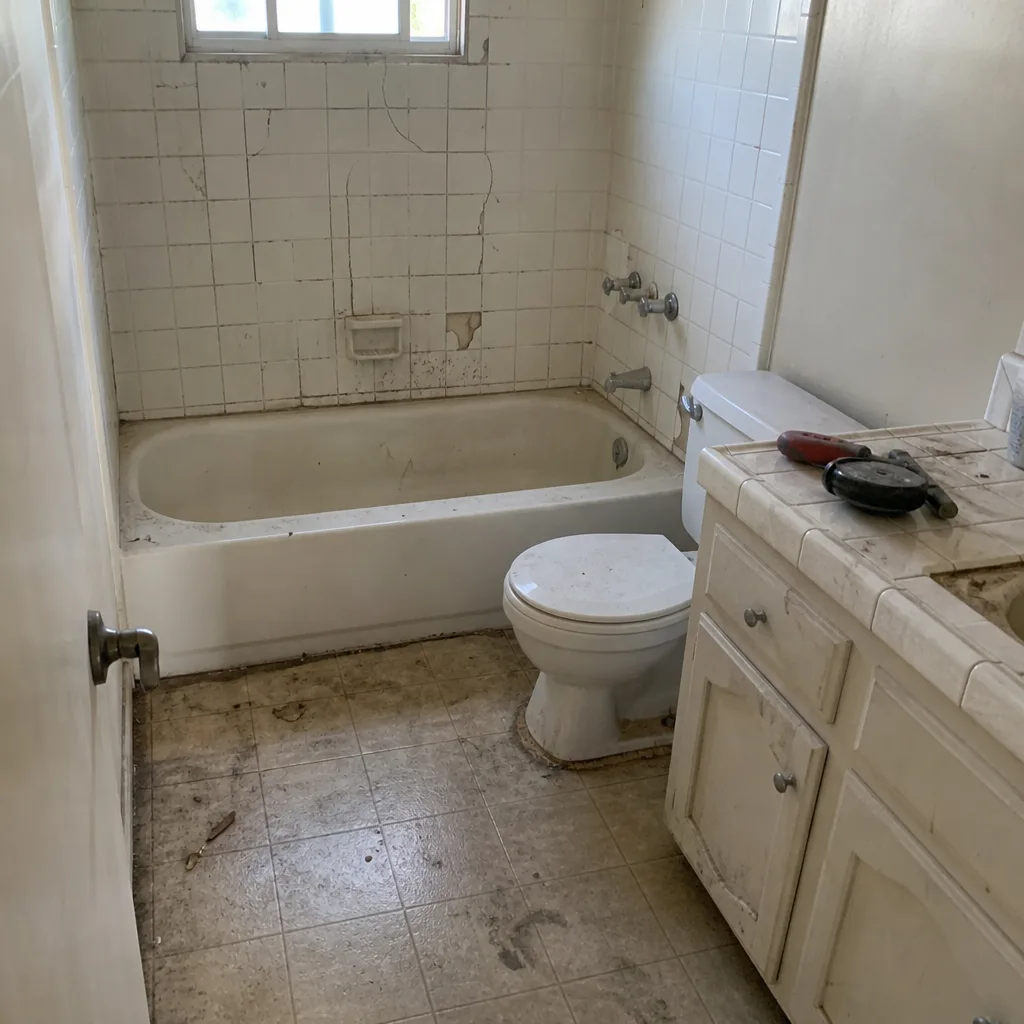 Before
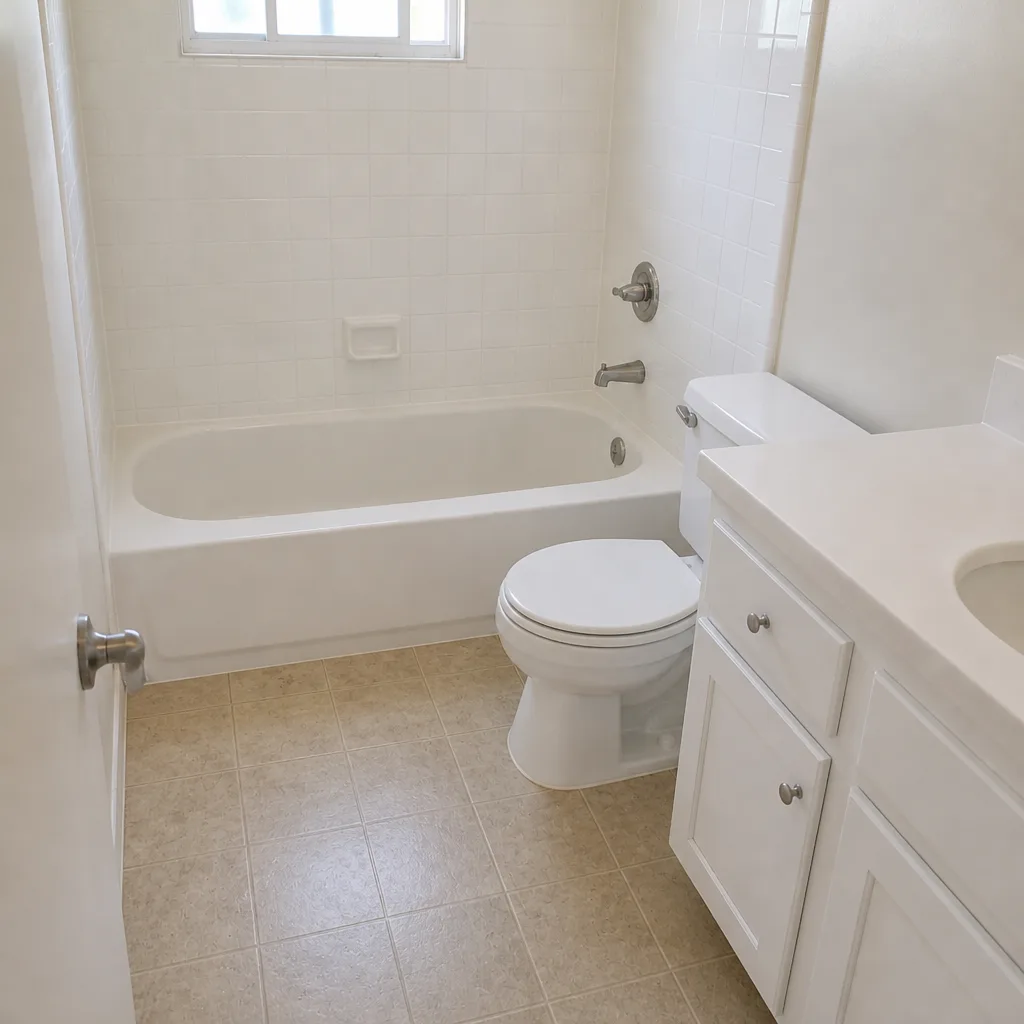 After
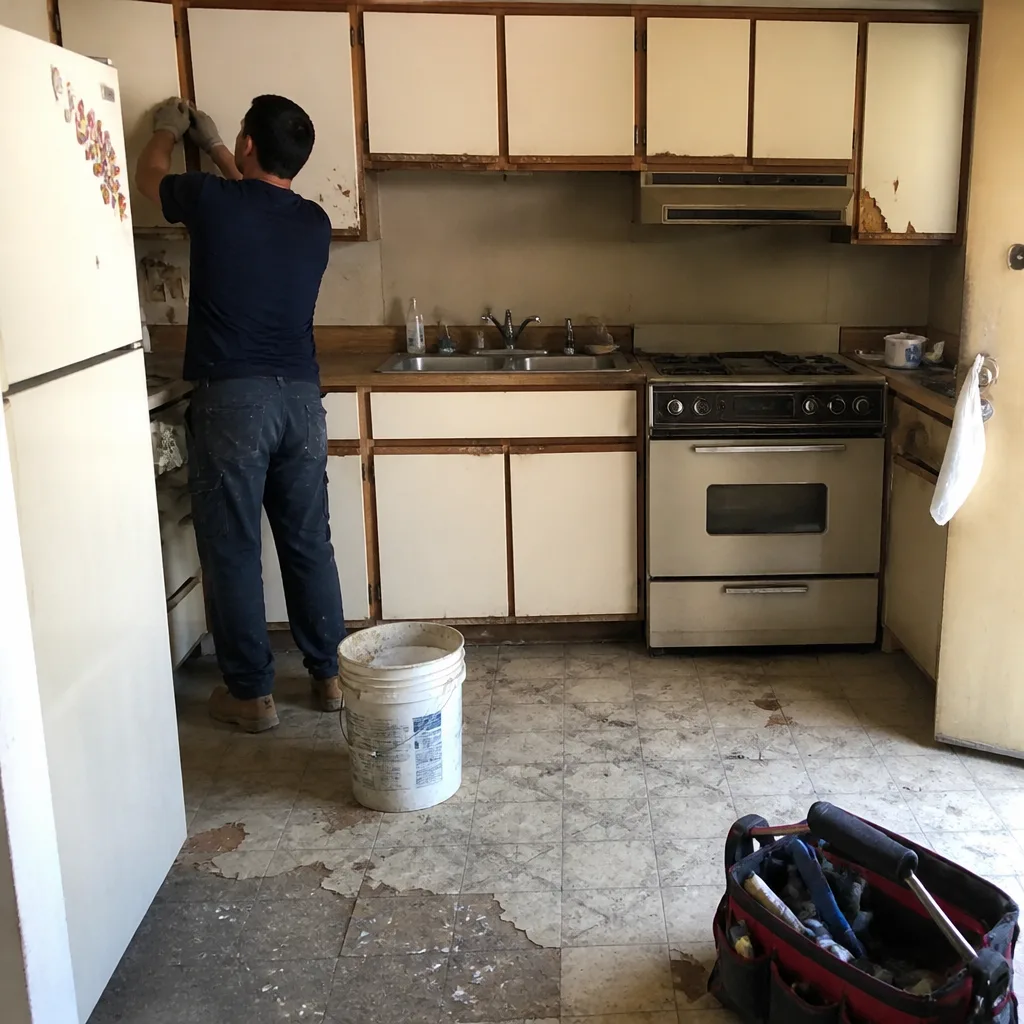 Before
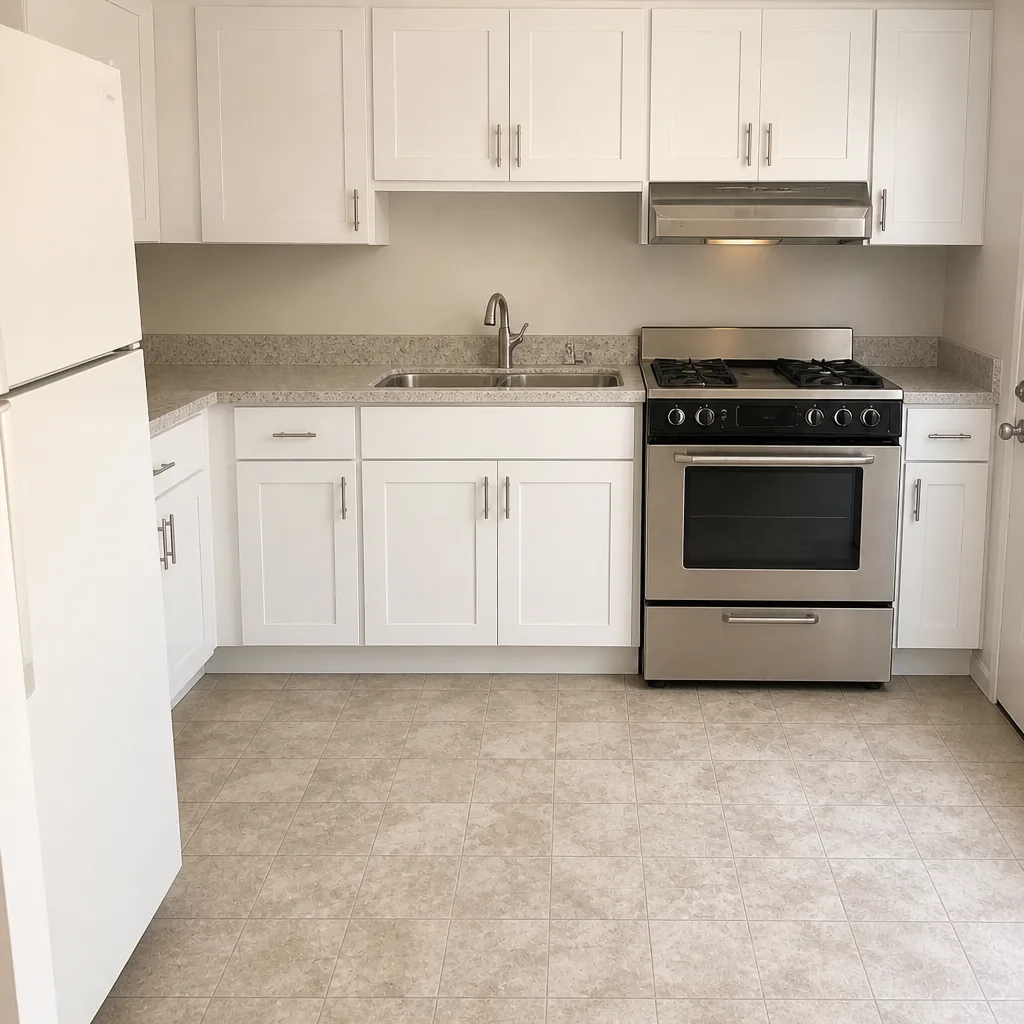 After
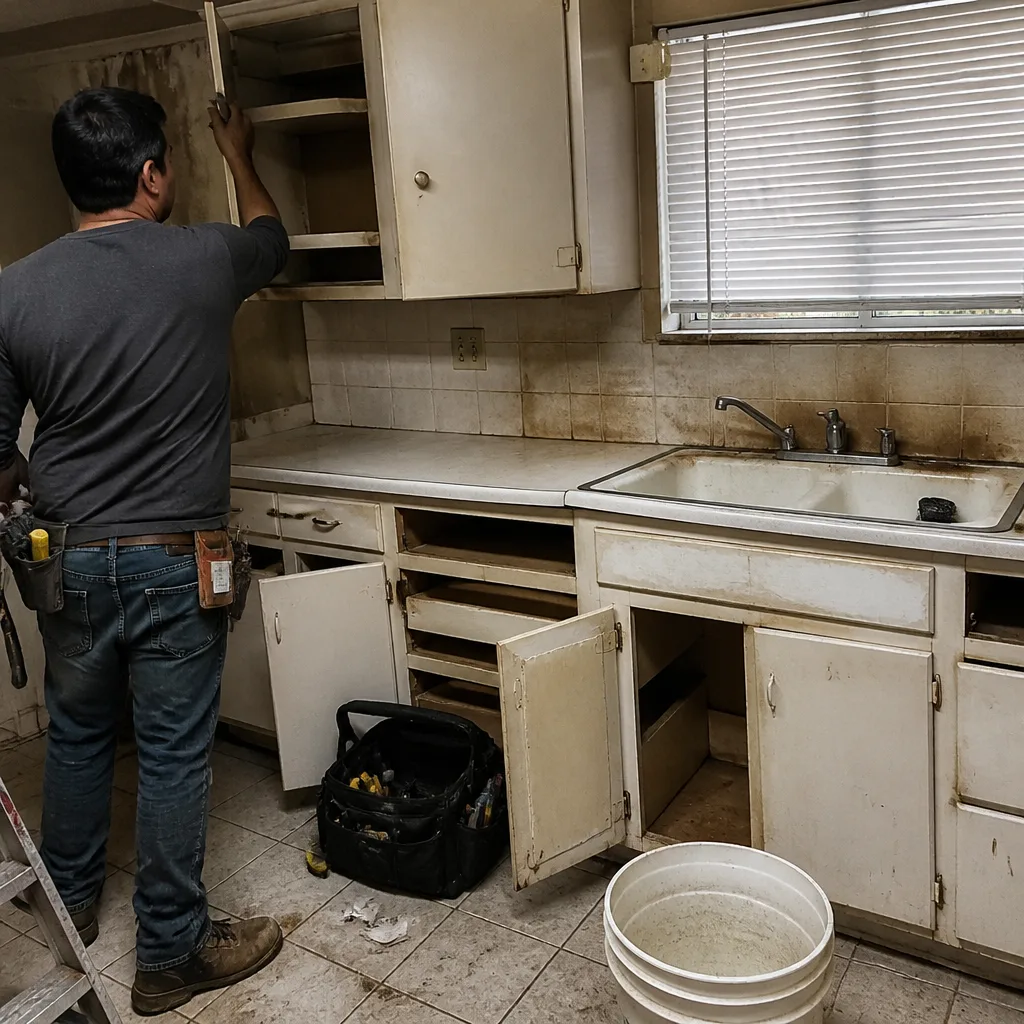 Before
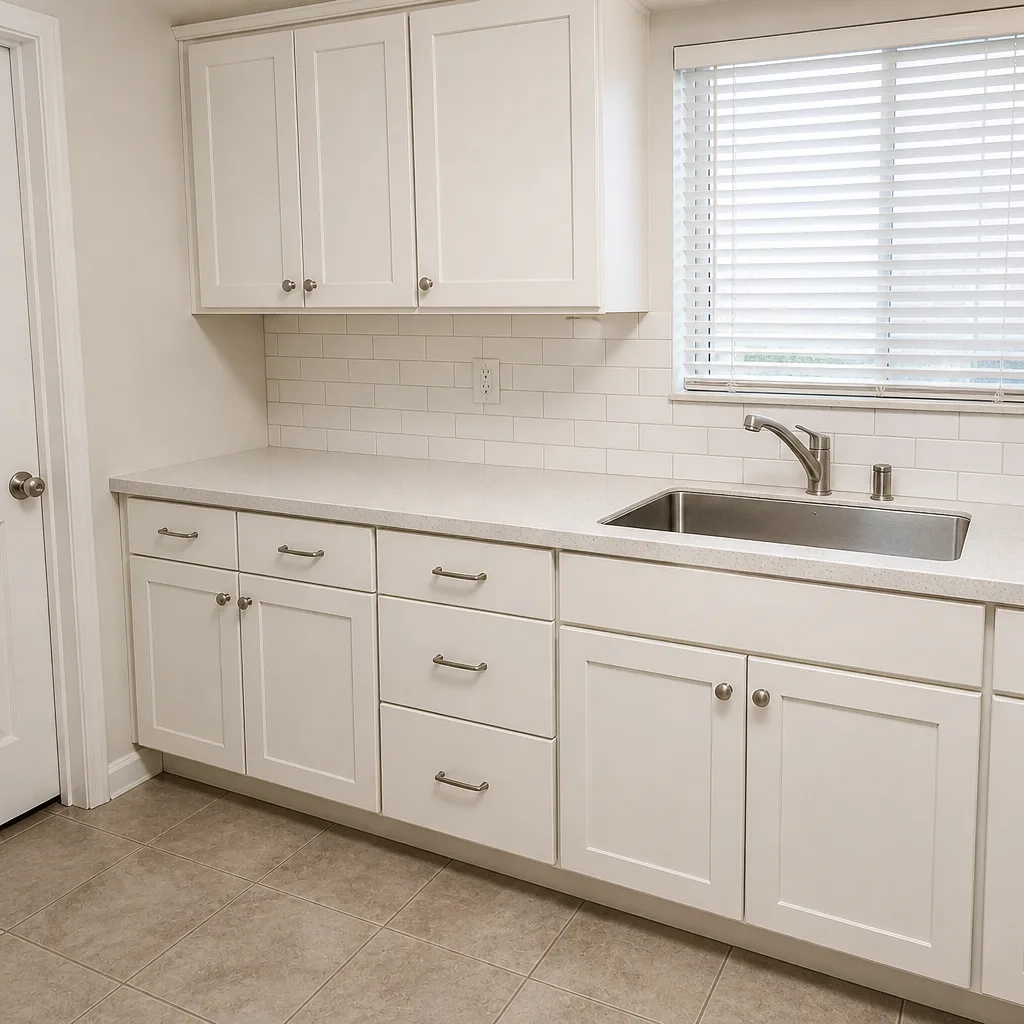 After
When to Call a Professional
Call a professional when the work involves a permit, structural load paths, gas lines, electrical circuits, water management at the envelope, or a manufacturer warranty that requires a certified installer. Those aren’t skill questions; they’re liability and warranty questions. In El Monte, additions, ADUs, roof replacement, full kitchen and bathroom remodels, and driveway installation are the categories where almost every homeowner ends up calling in a licensed company anyway, often after already spending partway down the DIY road. Starting with a professional estimate is often cheaper than the second attempt.
The other scenario worth naming: mixed-scope projects. When you want to handle some tasks yourself but need licensed, permitted, and inspected work done to a standard, that’s exactly the kind of split one accountable team can organize. Construction El Monte offers free estimates in El Monte. Call (844) 320-2624. We answer 24/7. Fast dispatch from 7am to 7pm, Sunday through Friday.
Frequently Asked Questions
Yes, in most cases. Under California’s licensing rules, any construction project priced at $500 or more in combined labor and materials generally requires a licensed contractor unless you qualify as an owner-builder. That means pulling permits yourself and taking on the liability and inspection responsibilities. For anything approaching a kitchen remodel or addition, the practical answer is a licensed contractor.
Rarely. Owner-builder status makes sense for a homeowner who has the time to coordinate inspections, has insurance to cover any helpers, and understands that the permit history becomes a resale disclosure. For a small project, the time cost usually exceeds the labor savings. Call (844) 320-2624 for a free estimate that shows you the real numbers.
It doesn’t automatically void it, but it can lead to a reduced or denied claim if the loss traces back to unpermitted or improperly installed work. Water damage from a DIY shower pan, fire from unpermitted electrical work, and structural failures from poor framing are the most common claim issues. Talk to your insurer before undertaking any of those categories yourself.
Usually not the full warranty. Most premium manufacturers offer their strongest warranty only when the product is installed by a manufacturer-approved installer. You may get a parts-only warranty, which covers the material but not labor or long-term performance. That’s the trade when you DIY the install.
A permitted project with a licensed contractor typically runs faster than the same project done as a DIY because inspections are scheduled as part of the workflow rather than fit into a homeowner’s spare time. The real difference is predictability. A typical bathroom remodel might be weeks with a contractor and several months on a homeowner’s schedule. Call (844) 320-2624 for a written timeline.
A written estimate lays out line-item scope, materials, and permit costs. It’s the document that sets the final price; the numbers in this guide are typical estimates only and the written estimate is what governs. Call (844) 320-2624 for a free written estimate on your El Monte project.
The Bottom Line
The DIY-versus-professional call isn’t really about how handy you are. It’s about permits, warranties, insurance, and what happens if a shortcut fails after a wet season. Paint your fence. Patch the drywall. Handle the small stuff, and do it with care. But for roof, envelope, plumbing, gas, electrical, or structural work, the savings on the DIY side are usually a loan against future repairs, and sometimes against future insurance claims. El Monte’s climate is forgiving to interior work and hard on water management. Treat those categories with that in mind, and the decision gets simpler.
Construction El Monte brings seven trade categories under one accountable team, from Construction El Monte full-service projects to specified brand-name materials like GAF, CertainTeed, KraftMaid, Cambria, Kohler, Belgard, and Therma-Tru. One contractor, every project, from the driveway to the roofline, with brand-name materials that carry published warranties you can verify.
Call (844) 320-2624 for a free estimate in El Monte. We answer 24/7. Fast dispatch, 7am-7pm, Sunday through Friday. The estimate is free, the quote is written, and the written estimate is what governs the price.
Written by the team at Construction El Monte.