Last updated November 18, 2026



Free written scope consultation - allowances, timeline, and change-order rules on paper before a single trade is scheduled
Construction Emergency Preparedness Guide for El Monte Homes
After a moderate earthquake, the most dangerous thing a homeowner can do is walk directly under their own eaves to look for damage, which is exactly what most people do first. In El Monte’s older housing stock, unreinforced masonry chimneys are the most common immediate collapse hazard, and the footing and cripple walls underneath a house matter more than what you can see from the yard. This guide walks through three scenarios that hit El Monte homes differently: earthquake damage, flash flooding out of the San Gabriel River basin, and Santa Ana wind damage. You’ll learn what to check, in what order, what to document before and after, and how to vet an emergency contractor fast enough to protect yourself.
Quick Answer
Preparing an El Monte home for a construction emergency means handling three distinct threats with three distinct plans: seismic bracing and a post-quake inspection sequence that checks gas, foundation and chimney before you re-enter; flood documentation and water-intrusion mapping for a slab home near the San Gabriel River flood plain; and wind mitigation steps for roof edges, fences and cladding before and after a Santa Ana event. A single generic “emergency kit” list fails all three. Keeping photos, permit records and material specs on file means an adjuster can value your damage accurately instead of guessing.
Styles & brands we work with
- Kitchen remodeling
- Bathroom remodeling
- Home additions & ADU
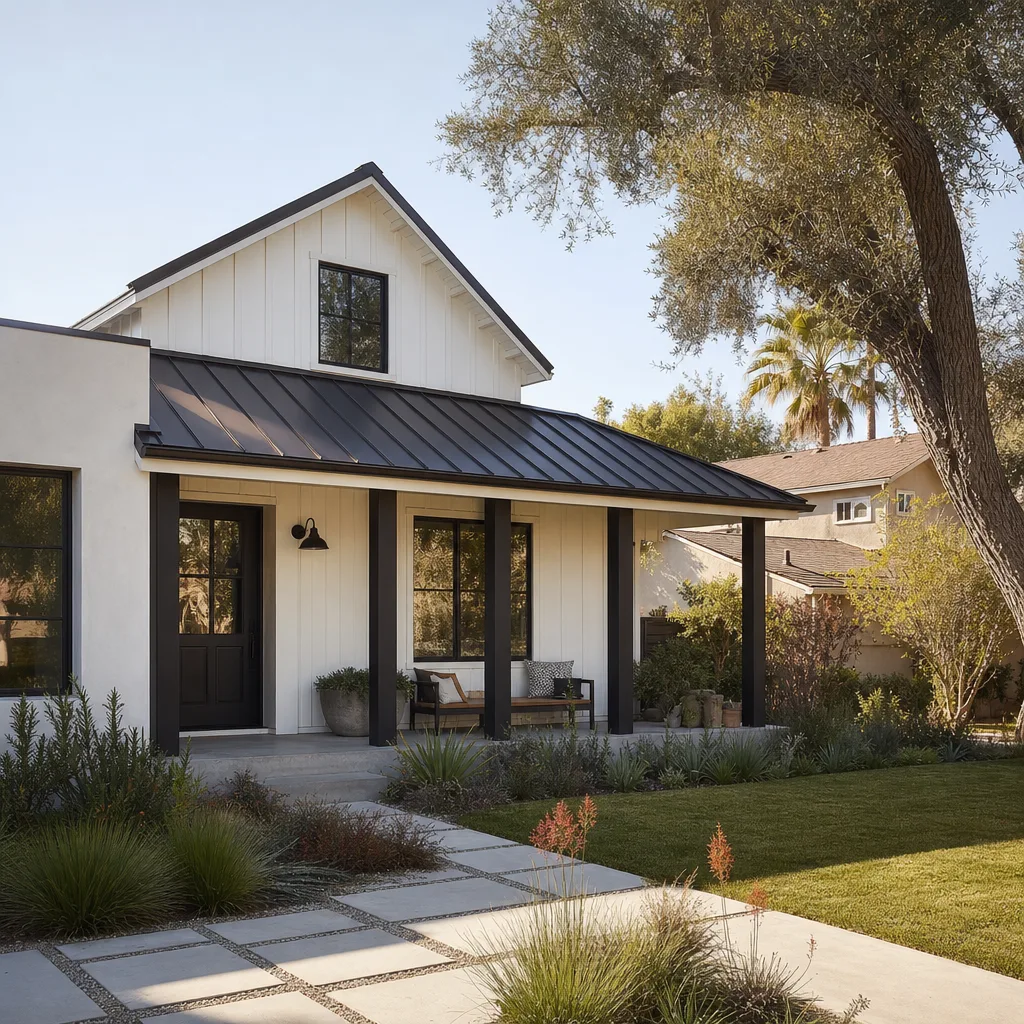
- Roofing
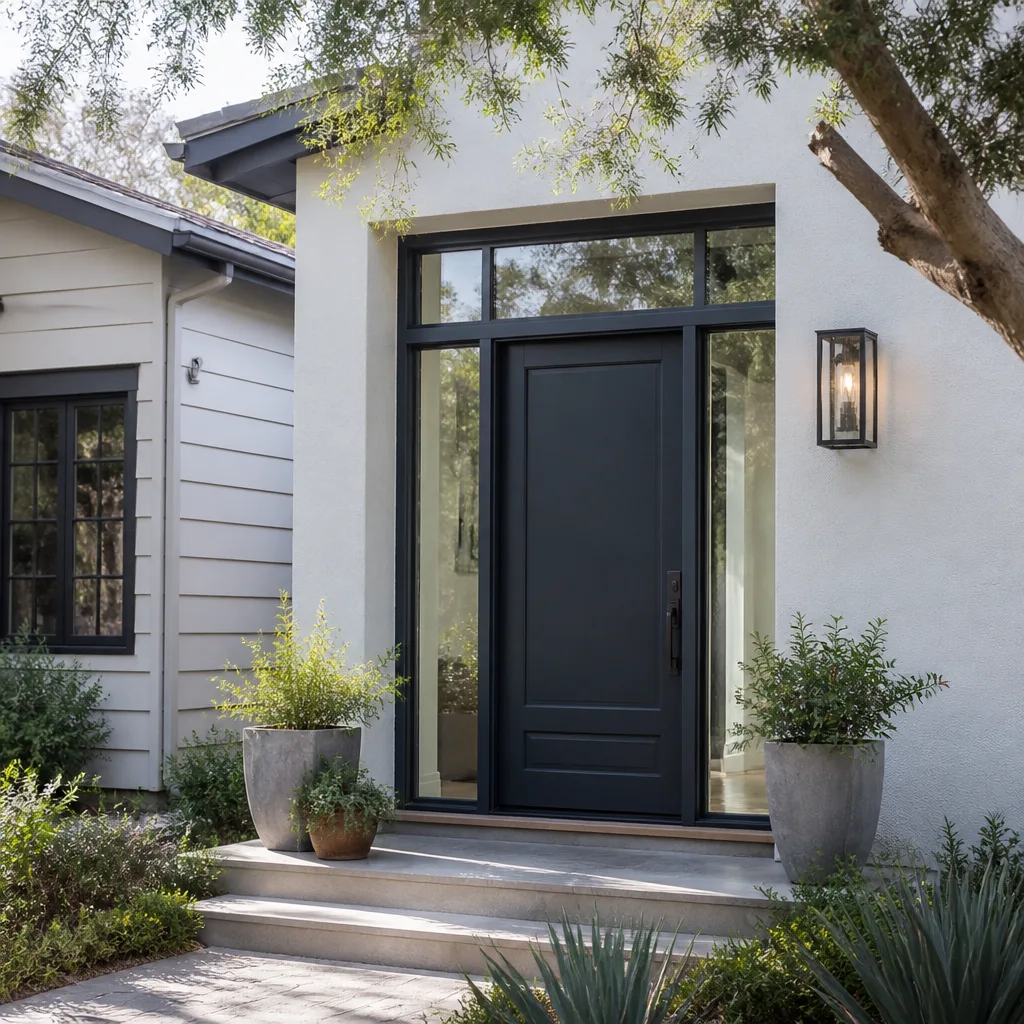
- Windows & doors
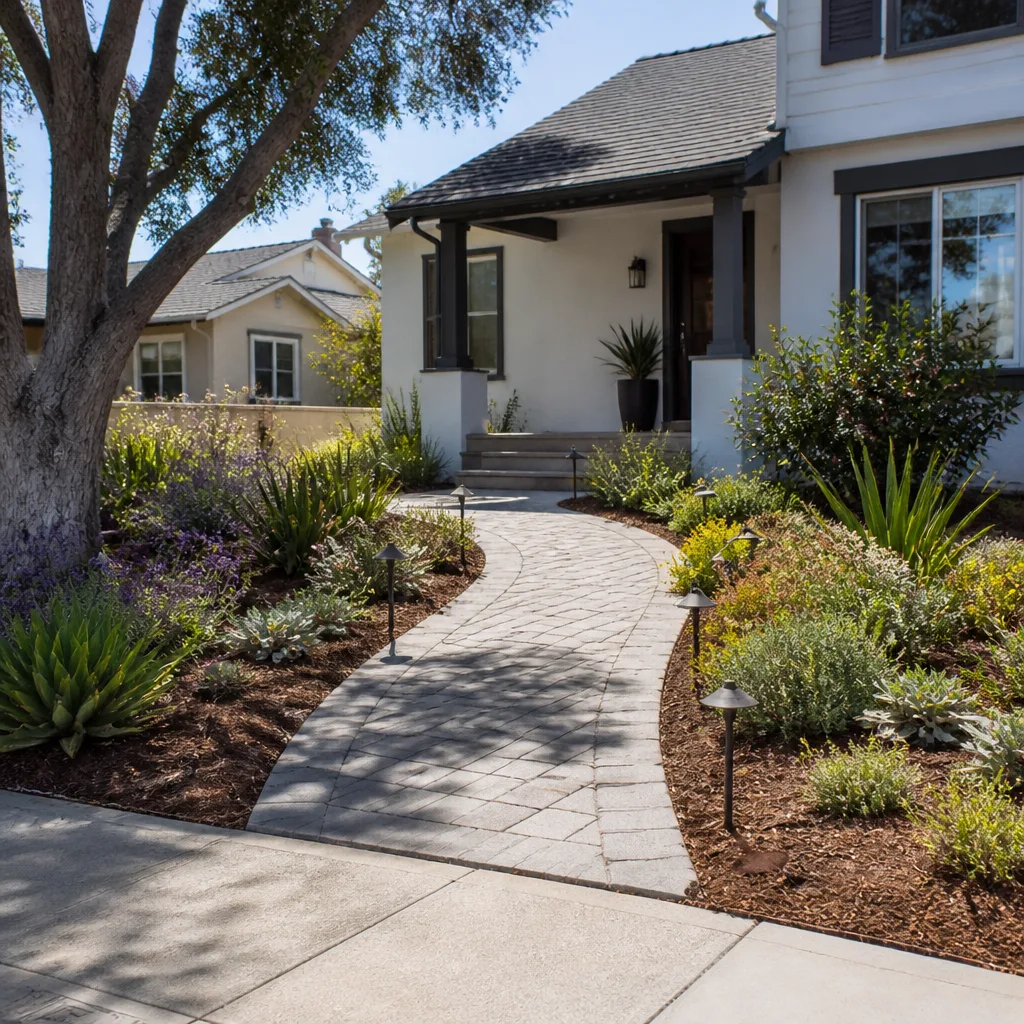
- Driveway & pavers
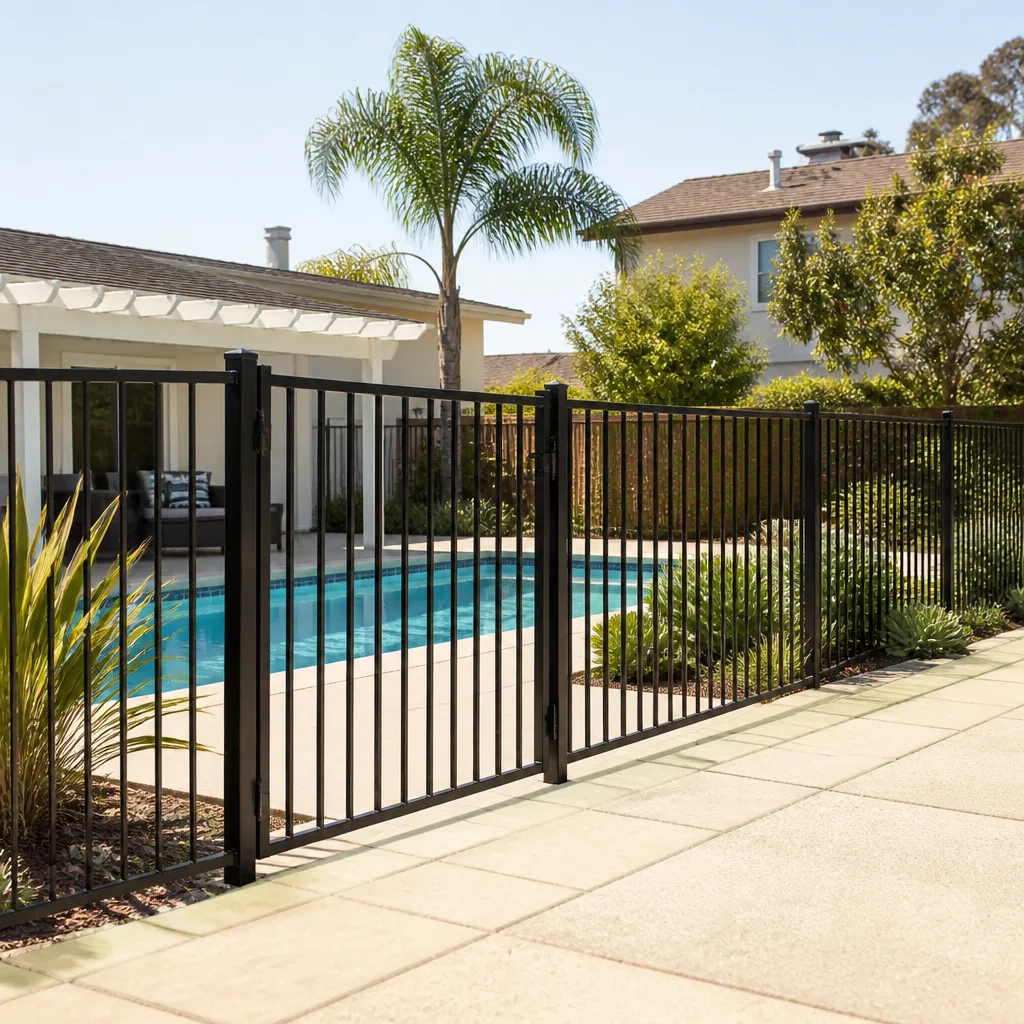
- Fence
Table of Contents
- Post-Earthquake: The Inspection Sequence for El Monte Homes
- Flash Flooding: What the San Gabriel River Basin Means for Your Home
- Santa Ana Wind Damage: Common Failures and Temporary Mitigation
- What to Document Before an Emergency
- How to Vet an Emergency Repair Contractor Quickly
- Filing the First 24-Hour Insurance Claim Correctly
- Pre-Season Prevention Checklist
Post-Earthquake: The Inspection Sequence for El Monte Homes
The order you check your house in after a quake matters. Gas first, because a leak is an immediate fire risk. Foundation and framing second, because structural movement can make a room unsafe to stand in. Chimney and eaves last, because falling masonry is the most common injury source in older El Monte homes. Our technicians have up to 13 years of experience with post-event assessments, and the pattern holds: the injuries come from things that fall, not from things that just crack.
If you smell gas, hear a hissing sound, or the meter shows a dial spinning with the appliances off, leave the house and call your gas utility and 911. Do not flip a light switch on the way out. Do not use a phone inside the house. Once outside, wait for direction.
- Gas and electrical shutoff. Locate your gas meter and main valve before an event, not after. The valve closes with a wrench kept nearby. If you don’t know how, ask a technician to walk you through it now, while the ground is still quiet.
- Foundation separation. Look at the perimeter of the house where the slab or raised foundation meets framing. A hairline crack in stucco is common; a gap that lets you see light through the sill, or a vertical crack in the slab wider than a pencil, means stop and call a professional.
- Cripple wall and sill plate. In older El Monte homes on raised foundations, the short wall between the foundation and the first floor is where seismic movement concentrates. If you can see cracked framing, split anchor bolts or the wall leaning, keep everyone out of that part of the house.
- Chimney stability. Look at the chimney from across the street before you walk close. A masonry chimney that has shifted, separated from the roofline or shows visible cracking at the roofline is a collapse hazard. Get an evaluation before you use the fireplace or finish inspecting the roof.
- Interior doors and windows. If doors that used to close now stick in a racked frame, that is a signal of wall movement and worth a professional look.
- Utilities and appliances. Check for water heater straps, and confirm the unit hasn’t shifted. Unstrapped water heaters are one of the most common sources of post-quake injury and interior water damage in El Monte homes.
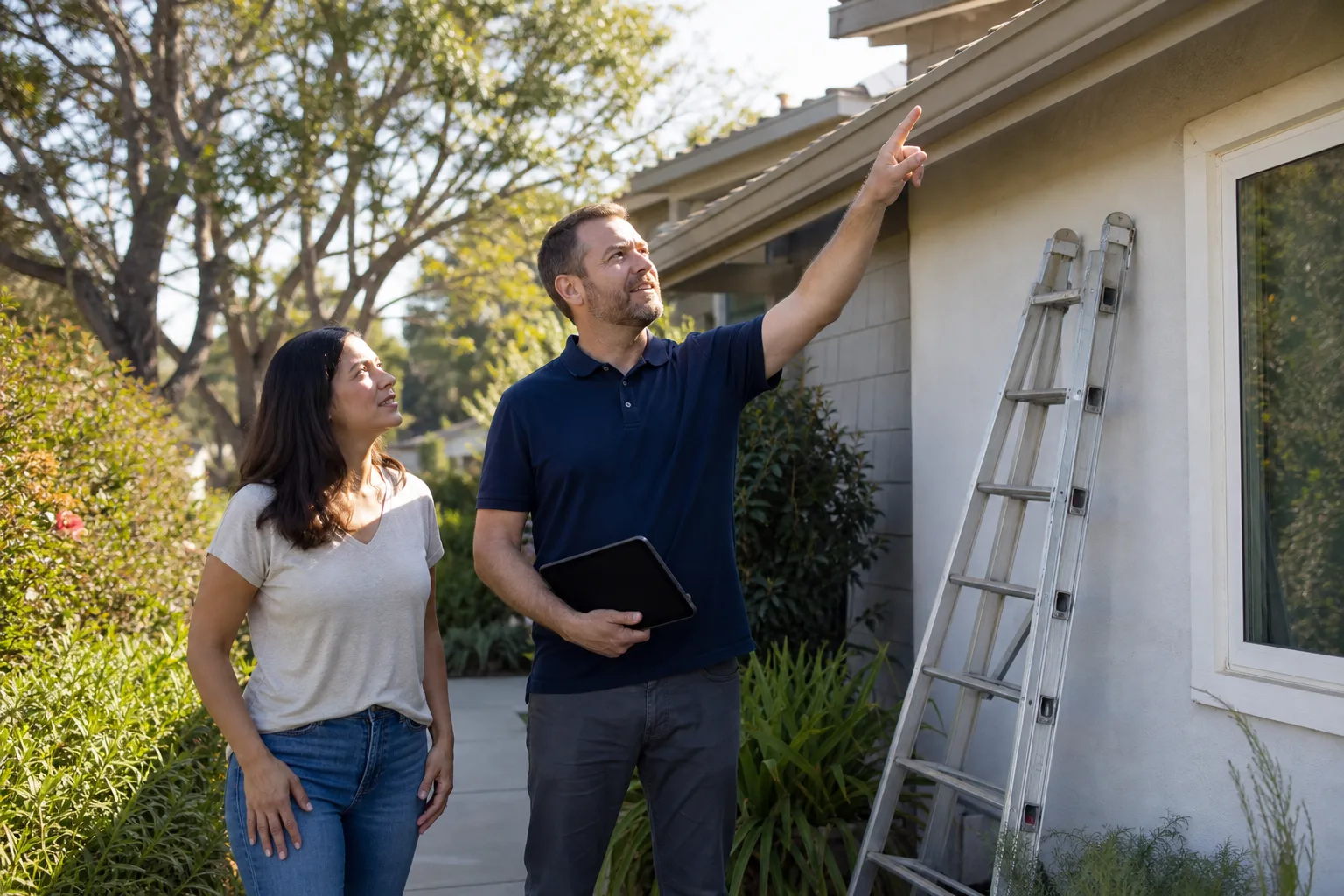
Do not climb a ladder onto the roof after a quake to inspect the chimney or shingles yourself. Height work on a compromised structure is a different job than height work on a sound one. Contract a licensed professional. When you’re ready for permanent repairs, we handle Construction El Monte projects from foundation and framing to finish work.
Flash Flooding: What the San Gabriel River Basin Means for Your Home
El Monte sits at the mouth of the San Gabriel River basin, and when the San Gabriels get heavy rain, water arrives fast. Two things separate a slab-on-grade house from a raised one in a flash flood. On a slab, water finds the lowest point first: the garage, the utility room, door thresholds, and vents and conduit runs through the wall. On a raised foundation, water can enter from below and move into the subfloor, which takes longer to dry and is easier to miss until you notice the smell.
The steps that matter in the first 24 hours are mostly about documentation, not repair.
- Photograph the high-water line on walls, doors, cabinets and baseboards before you clean up. Use a tape measure in the frame to show actual height. Adjusters value a documented line far more than a general estimate from memory.
- Video the whole room slowly. Pan wide, then close. Note which furniture, appliances and finishes were wet or sat in standing water.
- Keep damaged material. A water-stained section of drywall or baseboard you can show an adjuster is better than a clean wall.
- List your personal property separately. A running list with photos of electronics, tools, furniture and soft goods is worth more than a single afternoon of guessing.
- Do not run a shop vac and call it done. Water behind drywall, under tile and inside cabinet toe-kicks hides until mold shows up.
Turn off power at the panel if you can safely reach it without stepping into standing water. If you can’t, do not enter that room until a professional does. Electrical panels and standing water are a combination that kills first responders and homeowners alike. A flash-flood repair is rarely a same-day job; the drying takes days and the rebuild takes longer. Plan accordingly.
The real prevention work happens before the rain. Check the grading around your foundation. Confirm the driveway and any hardscape slope away from the house, not toward it. If your driveway has settled and is pooling water against the garage door, that’s a driveway and drainage problem, and our driveway & pavers work addresses grade and surface at the same time. Clear your gutters and inspect downspouts so water actually leaves the roof and lands where the ground can carry it away from the house.
Santa Ana Wind Damage: Common Failures and Temporary Mitigation
Santa Ana winds hit El Monte dry, fast and from the northeast. They don’t just push; they peel. The most common failures we see after a Santa Ana event are roof edge lifting at the rake and eave, fence collapse along the windward side, and exterior cladding breaches where a piece of stucco or siding came loose and let wind-driven water behind the wall.
The single most important thing to understand about wind damage is that temporary mitigation preserves your claim. If you leave a breached roof taking rain for a week, an insurer can reasonably argue part of the resulting interior damage was preventable. If you tarp the roof and document the tarp, you protected the house and the claim.
Temporary mitigation steps that protect the claim
- Tarp a lifted or missing roof edge. Use sturdy tarps and weigh or tie them down without nailing through the shingles or underlayment. Nailing into the roof can void a roofing warranty and complicate the adjuster’s ability to evaluate the original damage.
- Brace or remove a leaning fence section. A fence that is already half down is a sail. If it can fall on a gas line, a car or a person, get it down safely or brace it. Our fence installation work covers aluminum, steel, vinyl and composite materials from leading manufacturers, and permanent repairs go faster when the original failure is documented first.
- Seal cladding breaches. A short-term seal with a suitable exterior sealant stops water intrusion through a loose stucco patch or slipped siding panel. Photograph the breach before you seal it. Once it’s sealed, the visual evidence is gone.
- Bring in exterior furniture and trim trees. Loose patio pieces and dead limbs become projectiles. Cut the fuel, not the damage.
- Don’t climb a damaged roof after a wind event. Lifted shingles and compromised edges are genuinely dangerous. A professional assessment protects you.
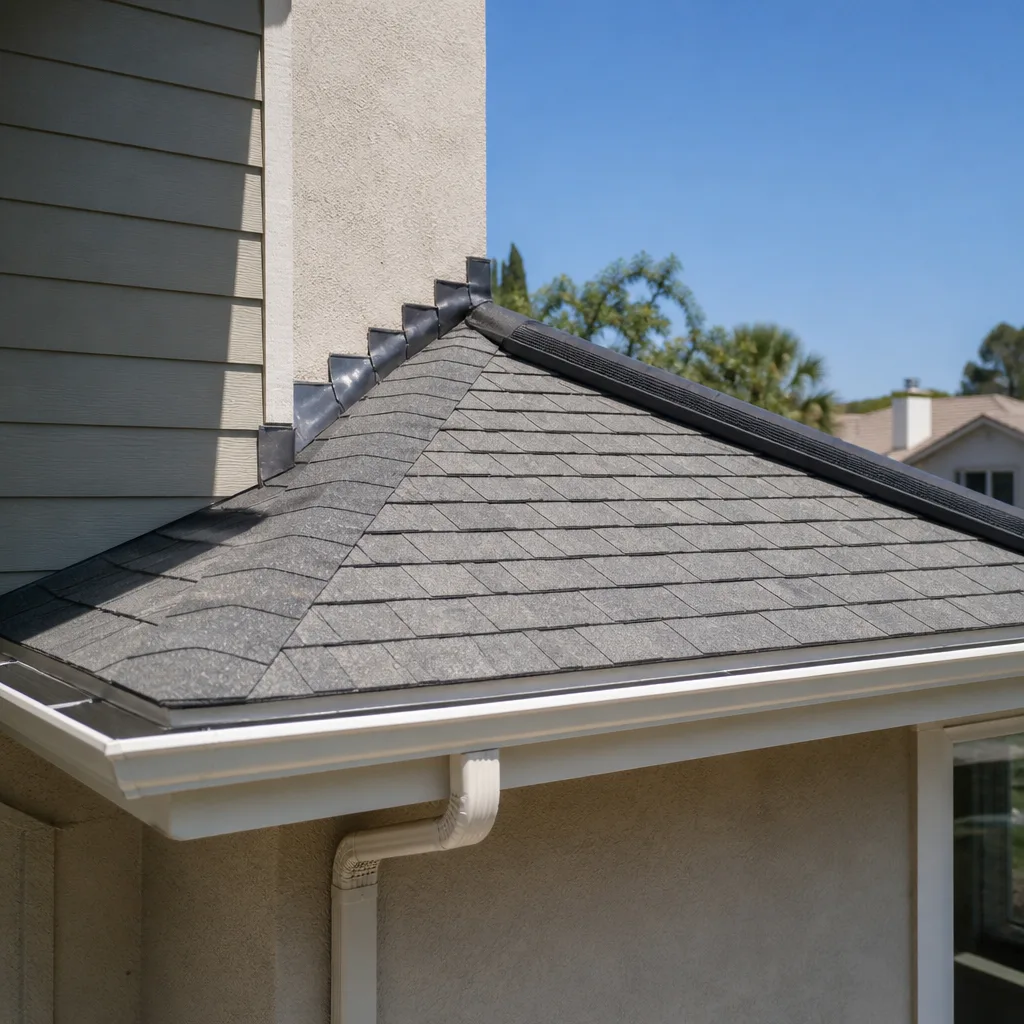
Roof-edge lifting is often a signal that the shingles at the perimeter are past their useful life, even if the middle of the roof looks fine. If you’re facing permanent replacement, our roofing work draws on GAF, CertainTeed, Owens Corning, IKO, Atlas, Tamko and Boral systems, so you can compare warranty-backed installations across budget tiers rather than settling for the first bid. And once the wind is over, if your roof and exterior held but you’d been planning an addition or accessory unit, our home additions & ADU services include both prefab options from Abodu, Cover and Dvele and fully site-built construction. Building a roof that is rated for local wind is one thing; building a structure that is set up to hold through a wind event is another, and the engineering on a new build is where you get to make that call.
What to Document Before an Emergency
An insurance adjuster is trying to answer one question: what was here before the loss? If you can’t answer that, the adjuster defaults to conservative estimates. The pre-emergency file is the most valuable document you keep in an El Monte home, and almost no one has it. Build yours this week.
- Photo set of every room, wall to wall. Wide shot, then each wall. Include closet interiors, garage, attic access, and the utility area with the water heater, furnace and panel visible.
- Photo set of the exterior. All four sides of the house, the roof edges, fence lines, driveway, and any hardscape in place. Note the condition of the surfaces at the time of the photo.
- Material and brand specs. Note the shingle brand on the roof (GAF, CertainTeed, Owens Corning, IKO, Atlas, Tamko, Boral), the cabinets in the kitchen (KraftMaid, Wellborn), the countertops (Cambria, Silestone, Caesarstone), fixtures (Kohler, Grohe, Moen, Toto, American Standard), and the hardscape pavers (Belgard, Unilock, Techo-Bloc, Cambridge Pavers). Adjusters price a replacement based on what was there, and a brand name and specification document separate a $12,000 countertop claim from a generic “stone” line item.
- Permit records. Keep copies of permits, inspection cards and any approval documentation for additions, ADU construction, roofing, and major electrical or plumbing work. A permitted improvement is valued differently than an unpermitted one, and the paper proof is what the claim runs on.
- Receipts for major systems. Water heater, HVAC, roofing materials, cabinets. The date of installation and product model affect the depreciation the insurer applies.
- A written inventory of personal property. A running spreadsheet with the item, approximate purchase date, and a photo. Do it once, update it annually.
Store the file in two places: a physical folder and a cloud drive you can reach from your phone. When you call your insurer, you’ll want the whole file at your fingertips, not in the house you can’t safely enter.
How to Vet an Emergency Repair Contractor Quickly
Disaster-chasing fraud spikes after every large event. El Monte has the same vulnerability as any Southern California market: out-of-area contractors who show up the same day, ask for a large cash deposit, and disappear before the inspections happen. You don’t have weeks to vet them the way you’d vet a planned remodel. You do have a few checks that take ten minutes and separate the legitimate contractor from the fraud.
- Verify the license number against the state database, not just a business card. The license number has to be active, in the right classification, and match the person standing in front of you.
- Verify insurance and workers’ comp in writing. Ask the contractor to email a certificate of insurance from the carrier. A legitimate contractor has one on file and can send it fast. If not, walk away.
- Get a written, line-item scope and price. “We’ll fix the roof” is not a contract. A real bid lists materials, brand names, quantities, and a per-line price. That document is what protects you if the job changes.
- No large cash deposit up front. Progress payments tied to milestones are normal. A demand for a large percentage of the job in cash before any material arrives is a red flag.
- Confirm permits. Most structural repairs need a permit. A contractor who says “we don’t need one for this” on a foundation, framing or roof-structure repair is telling you something important.
- Ask for a physical business address and a phone number that is answered. A contractor who only communicates by text and has no verifiable office is a risk you don’t need to take under pressure.
- Read the contract’s change-order language. You want a fixed price with change orders documented in writing and signed. Not a “time and materials, we’ll see” arrangement.
When you’re ready for a permanent repair backed by a written line-item estimate, we handle every category of work at Construction El Monte: driveways and pavers, fences, additions and ADUs, bathrooms, windows and doors, roofing, and kitchens. One contractor across the project saves the coordination time that emergency repair makes even more expensive. Call (844) 320-2624 to schedule a free estimate.
Filing the First 24-Hour Insurance Claim Correctly
The first 24 hours after a construction emergency decide how smoothly the claim moves. Three actions matter most: report the loss to your insurer immediately, take your own photo and video record before any cleanup, and keep every receipt for temporary mitigation, lodging and any emergency repair you needed to prevent further damage.
- Call your insurer the same day, even if you’re not sure the damage will exceed your deductible. The report establishes the date of loss.
- Photograph and video before you clean up. The adjuster needs the state of the property before mitigation began.
- Keep mitigation receipts for tarps, boarding, water extraction, temporary fencing and any hotel stay required because the house wasn’t habitable.
- Do not sign a repair authorization with a contractor before you have the insurer’s scope. Get the scope, then match the contractor’s bid against it line by line.
- Ask for the adjuster’s report in writing. You’re entitled to the scope of loss. Compare it against the pre-emergency documentation file you built.
We can work with your insurer on the repair side, and we provide a written line-item estimate you can submit with the claim. The written estimate sets the final price, so the number on the contract is the number you pay unless a documented change order says otherwise.
Pre-Season Prevention Checklist
Most of the work that limits emergency damage happens in the calm weeks before the season. None of it is glamorous, and all of it is cheap compared to a post-event repair.
- Strap the water heater. Two straps, top and bottom, anchored to framing.
- Brace or replace chimney masonry. A chimney that has been swept or serviced in the last few years is easier to trust after a quake.
- Anchor bookcases and tall furniture. More injuries in a quake come from falling objects than from structural failure.
- Check the roof edges. Lifted, curling or missing shingles at the rake and eave are wind’s first target.
- Walk the fence line. Loose posts and rot at the base turn a fence into a sail. If a fence is at the end of its life, replacement is easier to plan than to improvise.
- Clear gutters and grade the yard away from the house. The cheapest flood protection in a slab-on-grade El Monte home is drainage that works.
- Confirm the pre-emergency documentation file is current. Updated photos and receipts go a long way when the adjuster asks what was there.
Common Mistakes to Avoid
- Walking under the eaves first after a quake. Most injuries come from what falls, not from what cracks. Inspect the chimney and eaves from across the street before you get close.
- Cleaning up flood damage before you document it. Wet drywall and baseboards tell the adjuster more than a clean room ever will. Photograph first, then mitigate.
- Skipping the gas check. If you don’t know where the meter valve is and how it closes, that is the first thing to fix. Before the emergency, not during it.
- Hiring an out-of-area contractor who knocks on your door the same day. Verify the license, the insurance certificate and the permit before any work starts.
- Nailing into a wind-damaged roof during mitigation. Nails through the top layer of shingles can void a manufacturer’s warranty and complicate the adjuster’s evaluation of the original damage.
- Waiting weeks to file the claim. Report the loss within 24 hours, even if it’s just the roof edge and one section of fence. Date of loss matters.
- Assuming one plan covers all three threats. An earthquake kit doesn’t cover a wind event. A flood plan doesn’t help under a chimney. Give each scenario its own short checklist and practice it once.
See the difference
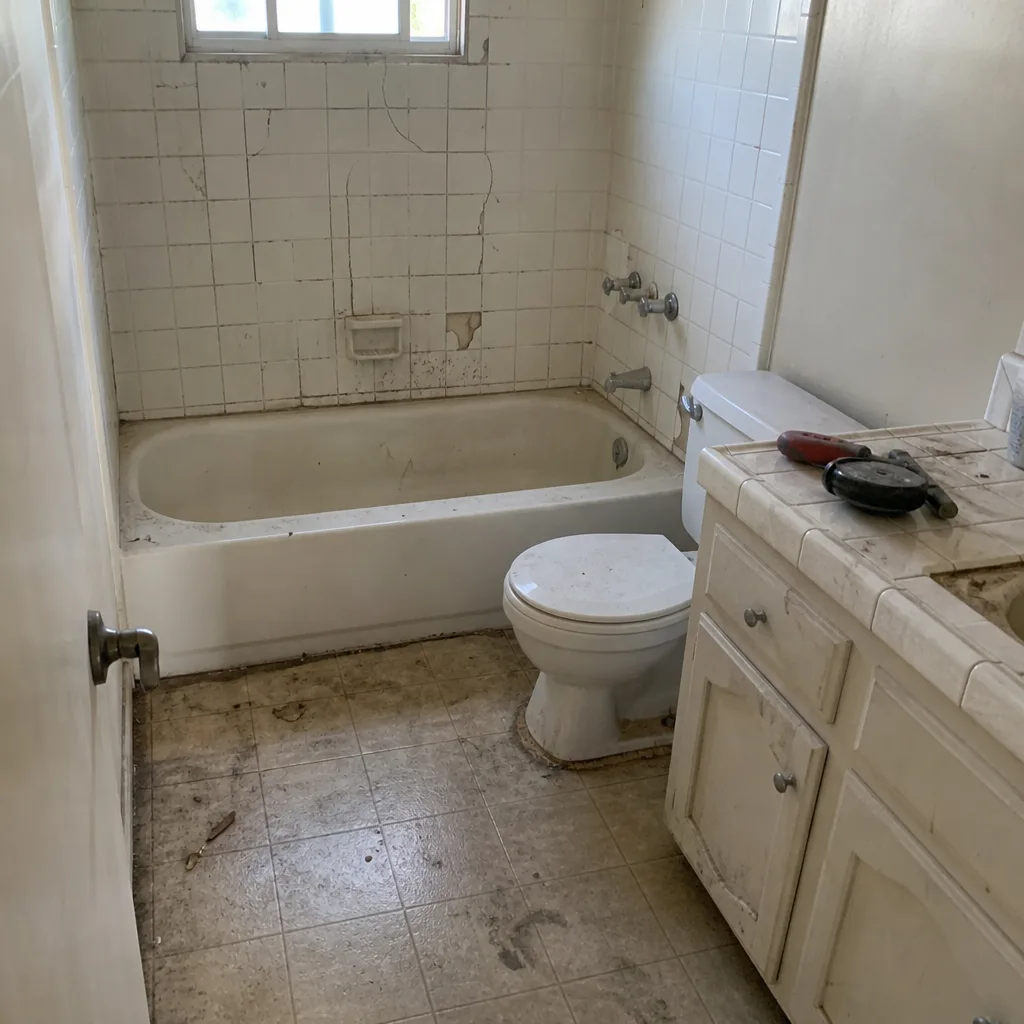 Before
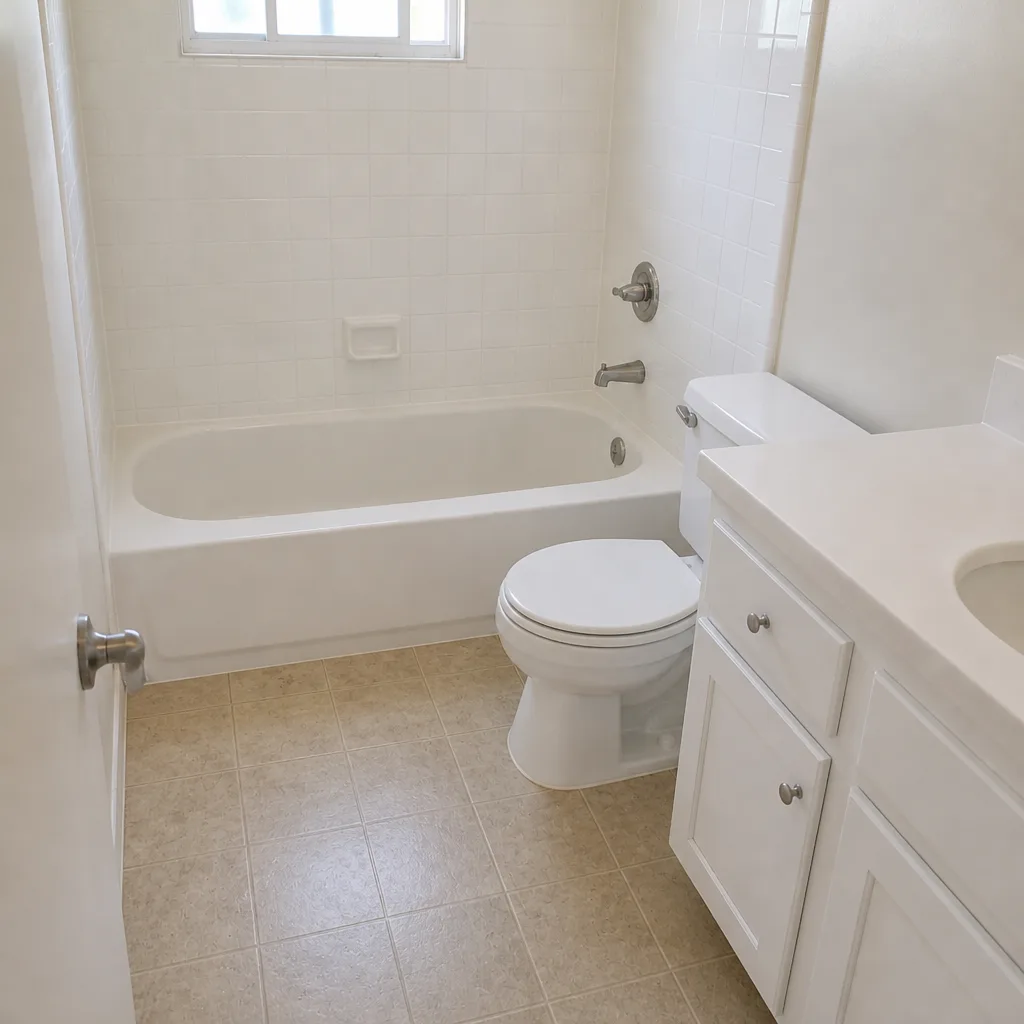 After
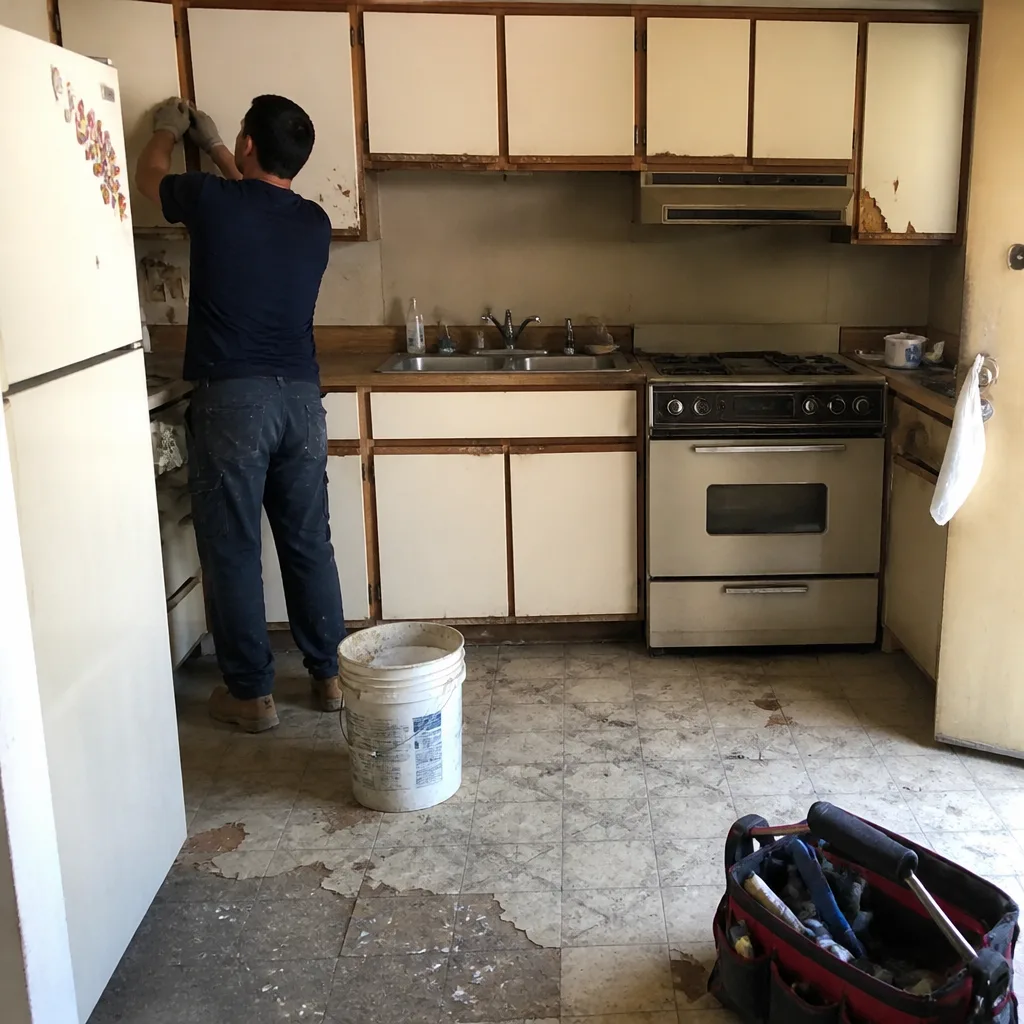 Before
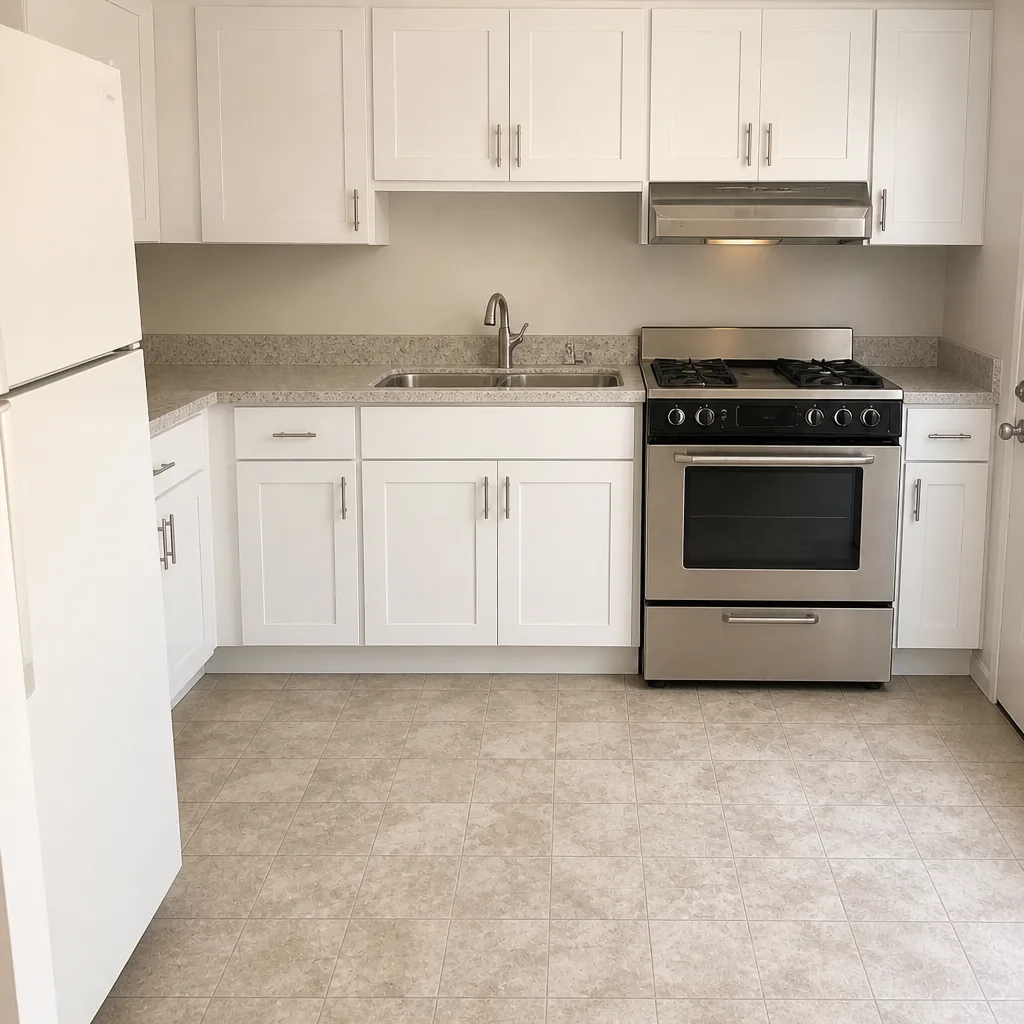 After
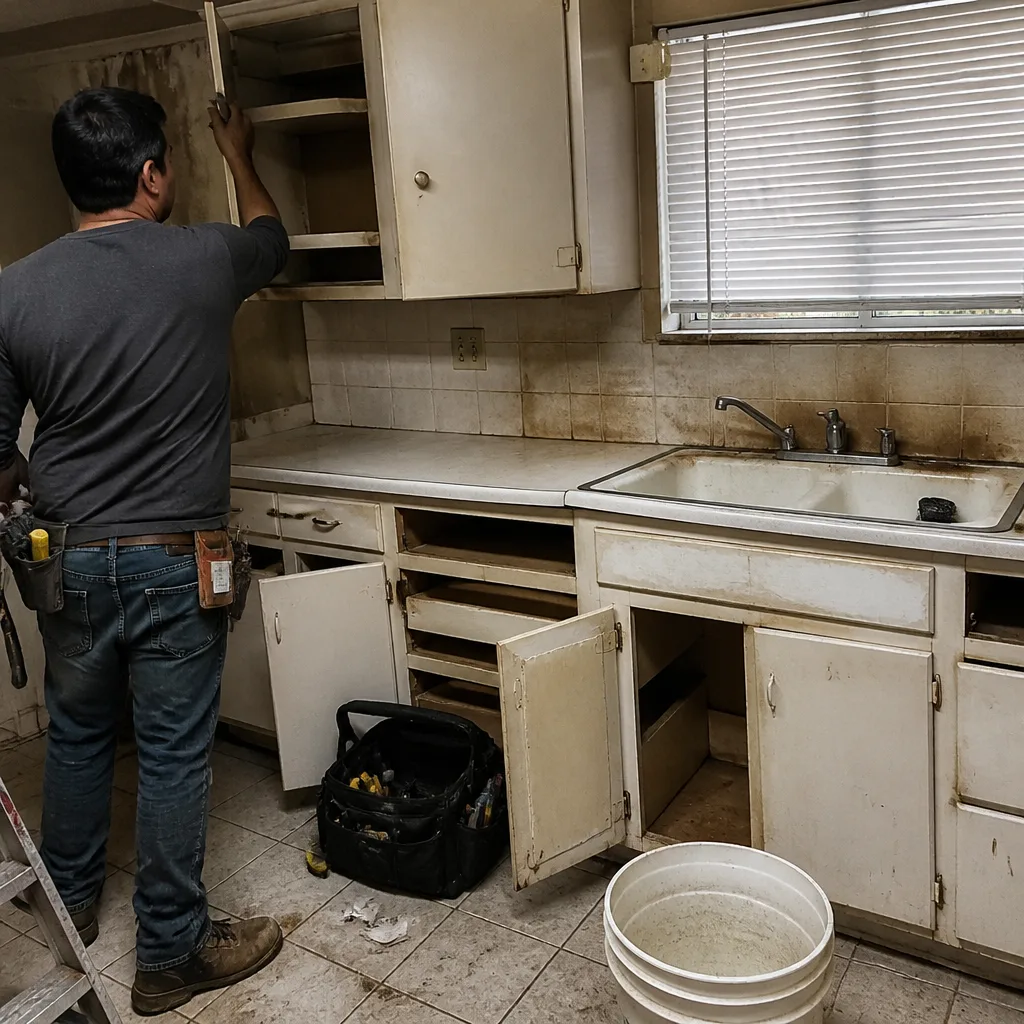 Before
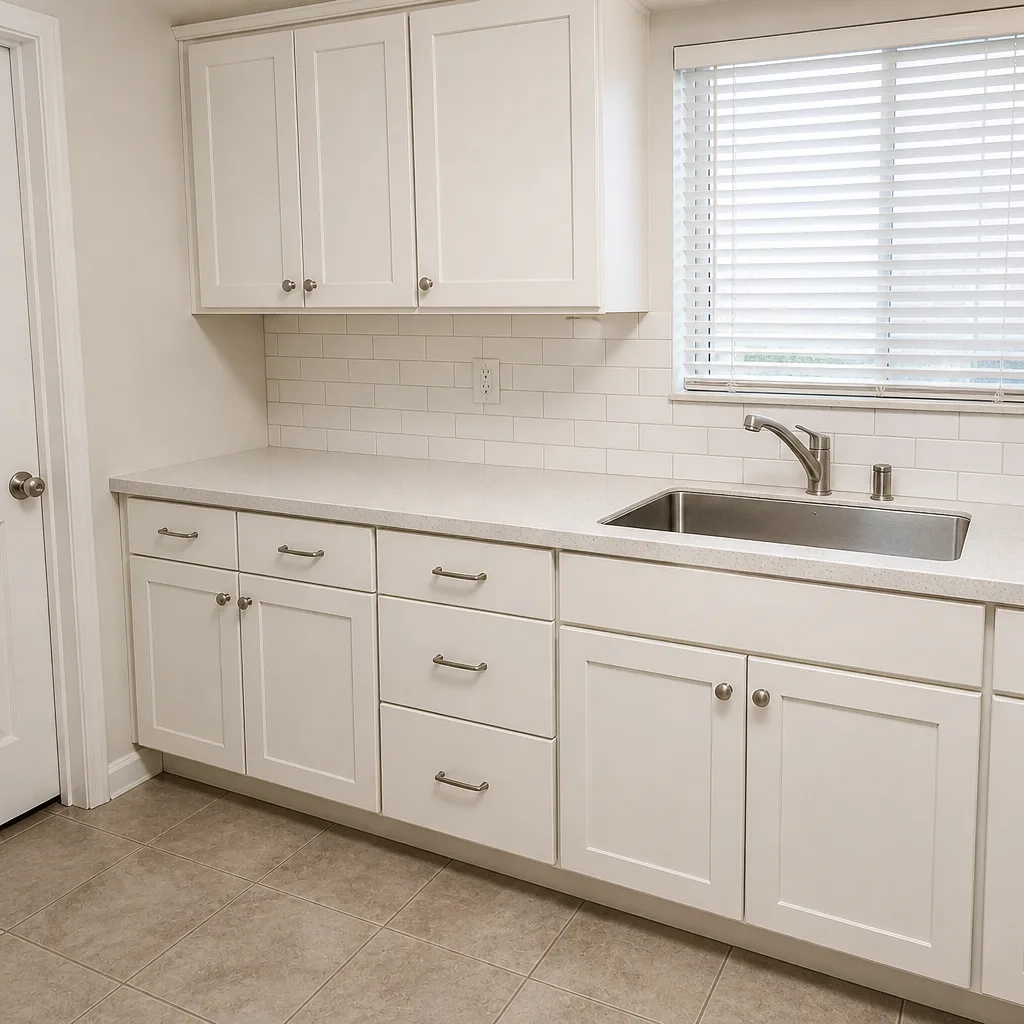 After
When to Call a Professional
Call a professional whenever the damage involves something you can’t safely evaluate on your own. Gas smell, visible foundation separation, a chimney that has shifted, a roof edge that lifted, cladding that breached and let water behind the wall, or standing water near an electrical panel are all reasons not to wait. Calling a technician with experience in the specific failure is worth more than a visual assessment by anyone who isn’t trained for it. Our team at Construction El Monte offers free estimates across El Monte, and our technicians have up to 13 years of experience with post-event assessments and permanent repairs. Call (844) 320-2624 to schedule your free estimate. We answer 24/7. Fast dispatch from 7am to 7pm, Sunday through Friday.
Frequently Asked Questions

Gas. If you smell gas, hear hissing or see the meter dial moving with appliances off, leave the house and call your utility and 911. After gas, check the foundation and chimney from outside. Contract a professional to evaluate anything that looks structural before you re-enter. Call (844) 320-2624 for a free estimate if you need an assessment.
Not until the chimney has been evaluated by a professional. Unreinforced masonry chimneys in older El Monte homes are the most common collapse hazard after a moderate earthquake, and a chimney can look fine from the living room and be compromised at the roofline. Call (844) 320-2624 for a free estimate before you light it.
Yes, flash flooding is a real risk here. The San Gabriel River basin drains fast, and heavy rain in the mountains arrives quickly. Slab-on-grade homes fill from the lowest point, garages, utility rooms and door thresholds, while raised homes can take water into the subfloor. Photograph the high-water line before cleanup and call (844) 320-2624 for a free estimate on the repair.
Wind damage is generally covered under a standard homeowner’s policy. Flood damage is generally not covered under a standard policy and requires a separate flood policy. Confirm your coverage before the next event so you know what you’re working with. We can work with your insurer on the repair side. Call (844) 320-2624 for a free estimate.
Verify the license number against the state database, get a certificate of insurance emailed from the carrier, and require a written line-item contract before any work starts. A large cash deposit up front and no permit pulled for structural work are both reasons to walk away. Call (844) 320-2624 for a free estimate from a contractor that provides all three.
Our price is set per job by the written estimate, and any change has to be a written, signed change order. Emergency situations tempt some contractors into time-and-materials pricing, which is how the final bill ends up well past the original number. Ask for a line-item written scope before you sign. Call (844) 320-2624 for a free estimate.
The Bottom Line
El Monte homes face three separate construction emergencies, and each needs its own plan. Earthquake damage calls for a gas-first inspection sequence and a professional look at foundation and chimney. Flash flooding calls for documentation of the high-water line and a water-intrusion map before cleanup. Santa Ana wind damage calls for roof-edge mitigation, fence and cladding discipline, and receipts for the temporary repairs that preserve the claim. The pre-emergency documentation file is the most valuable hour of work you’ll ever do on your house. Spend it before the event, and the aftermath gets a lot less expensive. When you’re ready for permanent repairs, one contractor across every category saves you coordination time you can’t afford in a post-event week, with brand-name materials from GAF and CertainTeed roofing to KraftMaid and Cambria kitchens to Belgard and Techo-Bloc hardscapes. Call (844) 320-2624 to schedule your free estimate with Construction El Monte. We answer 24/7. Fast dispatch from 7am to 7pm, Sunday through Friday.
Written by the team at Construction El Monte.